Vegetables
Historical document, translated for reference. It reflects medical knowledge of the 1920s–30s and is not medical advice.
Summary
This article from the 1928–1936 Soviet Medical Encyclopedia classifies cultivated vegetables, outlines their chemical composition, vitamin content, and enzymatic properties, and discusses their significance in human nutrition.
Encyclopedia article (1928–1936)
VEGETABLES, various parts of specially cultivated (market-garden) herbaceous plants which, in raw form or after appropriate culinary preparation, serve as human food. The majority of vegetables are annual or biennial plants; the latter are usually cultivated as annuals, and only for obtaining seeds are they left for the second year. There are over 200 market-garden plants. They are distributed among 40 botanical families. Through selective breeding, many varieties have been bred for each species. Thus, up to 2,000 cultivated varieties of potatoes are known, up to 150 of sugar peas, and so on. Depending on which parts of the plants are used for food, vegetables are usually divided into the following groups: 1. Cabbage vegetables - head cabbage, cauliflower, collard greens (from the Cruciferae family). - 2. Tuberous vegetables - potatoes (from the Solanaceae family); sweet potato (sweet potato - Convolvulaceae family); Jerusalem artichoke (earth pear - Compositae family). - 3. Root vegetables - swede, kohlrabi, turnip, radish, black radish (Cruciferae family); beet (Chenopodiaceae family); carrot, parsley, parsnip, celery, horseradish (Umbelliferae family); chicory, dandelion, scorzonera or black salsify (Compositae family). - 4. Fruit and seed vegetables: a) cucurbitaceous or cucumber vegetables - cucumbers, pumpkin, watermelons, melons (Cucurbitaceae family); b) legume vegetables - peas, beans, broad beans (Leguminosae family); c) tomato vegetables - tomatoes, eggplants, and chili peppers (Solanaceae family). - 5. Bulbous vegetables: bulb onion, leek, rocambole, shallot, garlic (Liliaceae family). - 6. Dessert vegetables - asparagus (Liliaceae family); artichoke (Compositae family). Vegetables are one of the main mass nutrition products. Vegetable consumption has increased significantly in recent years. This increase is a direct result of the initiated socialist reconstruction of the country on the basis of the five-year plan. A number of directive resolutions of the party and higher legislative organs currently stimulate the wide deployment of vegetable production, in particular through suburban state farms. The chemical composition of vegetables varies widely depending on the type and variety of vegetables, the nature of the soil, methods of its cultivation and fertilization, climate and weather patterns, and the degree of ripeness at the time of harvesting, etc. The composition, digestibility, percentage of waste, and caloric value of vegetables according to data from the Central Statistical Administration (1925) are given in Table 1.
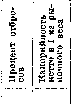
Due to their high water content, fresh vegetables represent a low-concentration food, and their caloric value, with the exception of legume vegetables, is not great, but for dried vegetables it is of the same order as for cereal grains. Some vegetables have not so much a nutritional value as a predominantly flavoring one. Thus, parsley, celery, tarragon, dill, onion, garlic, and others, containing essential oils and certain pungent substances, serve as food condiments, improving its taste and increasing its digestibility. Extremely important is the high vitamin content in vegetables. Vegetables are rich in all vitamin groups, especially vitamins B and C. This circumstance gives vegetable nutrition exceptional importance. Vegetables must be an indispensable component of the food we consume throughout the year (for details on vitamins in vegetables, see Vitamins). In addition, fresh vegetables have the ability to aid digestive processes through the enzymes they contain. Thus, onion possesses a peptolytic, i.e., protein-splitting into peptones action; the juice of cabbage, lettuce, and some root vegetables exerts a tryptic action; cabbage juice acts most strongly in this direction. Many vegetables contain diastase, which saccharifies starch. Cabbage juice has the ability to split fats and glycosides. Some vegetables contain oxidases and catalases; most of them are in onions. Table 2, compiled according to data from the Moscow Higher Technical School, shows the content of enzymes in vegetables (+ indicates the presence of the enzyme, - the enzyme was not found). Culinary treatment of vegetables using high temperatures reduces their vitamin content and destroys enzymes, therefore...
Table I ... Vegetables must be included in the daily diet of a healthy person not only in processed, but also in raw form. It should be borne in mind, however, that on raw vegetables, especially those obtained from sewage farms, both helminth eggs and pathogens of infectious diseases may be present. Therefore, when consuming vegetables in raw form, a certain caution is necessary: before consumption they must be thoroughly washed with hot water, and in doubtful cases also peeled from the outer layer. Vegetables also influence digestive processes due to their high fiber content. Our organism lacks the enzyme that could act on fiber, and therefore not only the fiber itself is protected from the action of digestive juices, but also due to the peculiarities of plant structure, fiber protects the starch and protein substances contained within it from digestion. By irritating the intestinal mucosa and increasing its peristalsis, the excessive introduction of vegetables can lower the assimilation of other foods. Therefore, the majority of vegetables are consumed exclusively in a crushed, sufficiently boiled or fried form, whereby vegetables lose group C vitamins, which do not withstand temperatures above 40-50°. A form that preserves the taste and vitamin properties of certain vegetables is juice (e.g., carrot juice). The industrial processing of vegetables in the USSR is also increasing significantly. According to the five-year plan of the food and agricultural industry, the procurement of raw materials by the state food-flavoring industry of the Supreme Council of the National Economy of the USSR with respect to potatoes (distilling and starch-treacle industry) by the end of the five-year plan should amount to 2,493 thousand tons (3.76% of the gross harvest) compared to 669.8 thousand tons in 1927-28. The growth of the industrial use of vegetables in general should increase by 324%, in particular tomatoes by 251%. Fresh vegetables are difficult to preserve during the winter. Even when stored in well-constructed cellars, a significant part of them spoils and deteriorates in taste. Certain vegetables, e.g., all greens, cucumbers, cannot lie at all even for a few days. The most important methods of preserving vegetables are drying, sterilization, and pickling combined with salting. The latter method is based on creating unfavorable conditions for the development of microorganisms both by increasing osmotic pressure (salting) and by increasing the concentration of hydrogen ions (formation of lactic acid). The latter factor also takes place during marinating (acetic acid). For drying in the USSR are used white-cabbage and Brussels sprouts, bulb onions and leeks, root parsley and parsley greens, celery, pod peas, green peas, pod beans, green beans, carrots, parsnips, beets, potatoes, dill. The most suitable varieties are used for drying, which give little waste during cleaning. Vegetables going for drying must not have signs of spoilage. Greens should go for drying immediately after harvesting, before they have wilted, roots and potatoes are sorted by size, washed, peeled, crushed by machines and blanched, i.e., immersed in boiling water for 1-5 minutes, which achieves the fixation of the natural color and accelerates drying. Blanching aims to kill the enzymes in vegetables that contribute to the alteration of the product. The temperature and duration of drying vary depending on the type of vegetable from 3 to 6 hours at 40-80°. The average yield of finished products (in percentage): for potatoes 16-18, cabbage 8-10, beets 12-13, parsley root 15-16, parsley greens 12-16, carrots 9-10, parsnip and onion 15-16, celery root 9-10, celery greens 12-16. Dried vegetables must not contain foreign impurities and must be free from the presence of animal pests, plant parasites, and sulfur dioxide. They must, 30-40 minutes after soaking in water at room temperature, swell to the normal size of fresh vegetables. After soaking in water at room temperature for 1-11/2 hours, potatoes must boil soft in 25-50 minutes (OST 783). Dried vegetables enter consumption in the form of individual vegetables or mixtures, which can be composed in various combinations. The most widespread use of mixtures is shown in Table 3. Before preparing dishes, dried vegetables are washed with water to remove sand and dust and placed for 8-10 hours in cold boiled water, in which they are cooked with slow heating. The cooking water contains a significant part of the aromatic substances and part of the salts of dried vegetables, so it should be used. It is most correct to steam dried vegetables. Soup mixtures should not be boiled for a long time. After boiling for a few minutes, they should be allowed to "reach" (finish cooking without boiling) in a thermos. If dried vegetables are cooked without preliminary softening and swelling in water, they turn out tough. Fermented ready cabbage (OST 2349) must be of a light amber-yellow color, have a pleasant aromatic smell, slightly sour taste without bitterness, crunch on the teeth, not be slimy and sticky. Shredded cabbage must be no shorter than 100-150 mm and thin, 2-3 mm of shredding. Chopped cabbage must be finely and evenly chopped. Free brine in fermented shredded cabbage must be no more than 10% of the total weight of the cabbage, and for chopped no more than 15%. The brine must be the natural juice of the cabbage without any addition of water, have a pleasant smell, slightly turbid yellowish color, sour-salty taste, without any sediments of dirt and mucus. The brine Borscht In percent In percent White-cabbage . Carrot . Beets . . Potatoes Parsnip Root parsley Celery root Bulb onion . . Swede ..... Red pepper . Parsley greens Dill ...... Bay leaf . Celery .... 0.25 0.5 0.125 0.125 20 10 55 0.25 0.5 0.125 0.125 Cabbage soup In percent In percent White-cabbage . . . Carrot . . . Potatoes',. . Parsnip . . Bulb onion Root parsley Celery root Swede ..... Red pepper . Parsley greens. Bay leaf . 50 17 10 1.625 10 0.25 0.125 75 10 2.5 10 1 1 0.25 0.125 0.125 Julienne soup In percent Potato soup In per- In percent cent! Potatoes .... Carrot..... Root parsley Celery root Bulb onion. . Parsnip .... White-cabbage ..... Leek .... Swede ..... Dill...... Parsley greens Celery Bay leaf . 10 0.5 0.25 0.175 0.125 0.5 0.25 0.325 0.125 Carrot..... Parsley root Celery . . . Potatoes . . . Bulb onion . Parsnip . . . Cauliflower Brussels sprouts . . Leek . . . Pod peas...... Green peas Pod beans Green beans Asparagus . . Dill .... Celery greens Parsley greens Kohlrabi .... In percent 30 12 7 20 5 10 1.5 1.5 must contain lactic acid from 1.0% to 2.4%. Carrots or apples (in quarters) are added in an amount from 2% to 3%. The amount of salt (1st or 2nd grade, but not "sweepings") per 100 kg of cabbage must be 2.5 kg. Upon opening barrels of fermented cabbage, no gases should be released from them, and the cabbage must not emit a bad smell or be frozen. Cabbage that does not meet the above requirements is defined as substandard. Substandard fermented cabbage is permitted for sale and transport by rail and water routes if there is a certificate from sanitary supervision authorities regarding its suitability for food consumption.—Salted cucumbers (OST 2362) depending on size are divided into 3 grades: 1) cucumber ("vodinka"), 2) half-cucumber ("poluvodinka") and 3) gherkin ("otrostok"). Ready salted cucumbers must be dark green, without a white mucous film, not crushed and firm to the touch, with a crunch when bitten, of a pleasant salty-sour taste, with the sensation of a bouquet of added spices, but without any odors and aftertastes uncharacteristic of a salted cucumber. The brine must be transparent, without mold, ropiness, and contain sodium chloride from 6% to 8%, lactic acid from 0.75% to 1.2%, without any admixture of coloring agents, saltpeter, and other preservatives. When opening barrels, no gases should be released from them; the brine and cucumbers must not emit a bad smell, and the brine must completely cover the cucumbers. Table 3.—Tomato puree in barrels (OST 2127) is a homogeneous mass of natural red or brick-red color. Artificial coloring of tomato puree is not allowed. Tomato paste must not have a foreign odor and taste, nor contain sand; dry matter must be at least 12%; common salt no more than 10%; total acidity, calculated as malic acid, no more than 1.5%; ash content, excluding NaCl ash, no more than 2.0%; ash insoluble in hydrochloric acid, no more than 0.05%. The best places for storing raw vegetables are cellars that meet the following requirements: 1) absence of light, 2) constant temperature of about 5-6°, 3) sufficient dryness of the cellar, but not excessive, otherwise the vegetables will wilt. Successful storage also depends on the arrangement of vegetables in the cellar. Rutabagas and radishes, along with potatoes, can be stored piled in heaps or bins. Many root vegetables are best stored in sand, in which they do not dry out quickly; these include carrots, beets, horseradish, parsley, and radishes. Leafy vegetables (leaf celery, chicory, lettuce) are planted with roots in damp sand. Head cabbage is suspended on poles in the cellar. When stored in a refrigerator at a temperature from 0 to +2°, cabbage is placed in 2-3 rows on special racks or in baskets no more than 50 cm high to ensure air access to all heads. The storage period is up to 1 year with a shrinkage of 5-10% of the weight. Dried greens are stored in bags; they should be kept in a dry, but not warm room, as insect larvae start in a damp place. The most suitable temperature for transported vegetables is about +4°, and the duration of transport (in days) varies in connection with the type of vegetable from 10 to 40 days. Kohlrabi has a stem thickened into a turnip-like or spherical formation, which is actually what is eaten. According to the color of the skin of this formation, green and purple varieties are distinguished. Inside such a thickening is a tender, juicy core. In the USSR, kohlrabi is almost non-existent in cultivation. In Western Europe, especially in Germany and Holland, kohlrabi is a very common, favorite vegetable. Young heads of early varieties are especially valued. Kohlrabi has a more tender taste and contains more protein substances than rutabaga, which is why the introduction of this crop in our gardens is extremely desirable. It is used for food in fried form, for sauces, etc., and is also dried. Late varieties can be kept all winter. According to Schleinitz, 1 kg of kohlrabi prepared for the market yields, after peeling, 591 g of the edible part, which has the composition (in percentages): water - 92.7; nitrogenous substances - 2.02; protein - 1.03; fat - 0.14; nitrogen-free extractive substances - 3.57; fiber - 0.64; ash - 0.86. Pickles represent various vegetables preserved in vinegar with the addition of mustard and hot spices. They are used as a seasoning for sauces or as a salad for roast meat. Capers are the flower buds of the caper bush (Capparis spinosa). They are prepared in vinegar and used as a seasoning. Spinach leaves are used for fresh cabbage soup, soups, and sauces, and are also canned in tins in the form of whole leaves and in the form of puree, and for drying. Spinach is distinguished by the highest content of nitrogenous substances among vegetables - over 34%, calculated on dry matter, as well as a significant iron content, on average for the raw product 0.0141%; the iron in spinach is contained in the form of an organic, easily digestible compound, and therefore spinach is recommended for the diet of anemic persons. Spinach extracts: Spinol with 31.5% ash and 0.26% iron; Extr. Ramkulini with 44.5% ash and 2% iron. Spinach is used fresh, boiled and mashed (puree) with butter and eggs, and also in soups, botvinya, etc. It is used to obtain chlorophyll, which goes into coloring green peas. Sorrel is a perennial plant, very common in the wild state in damp pastures and meadows. It is also cultivated in gardens. It contains a large amount of nitrogenous substances consisting of proteins alone. The sour taste is due to oxalic acid contained in the form of acid potassium oxalate (0.56-0.93% C2HKO4). The salts of the latter are rapidly absorbed by the body and have a certain effect on the activity of the heart and central nervous system. Therefore, sorrel should be eaten in small amounts. It is best to boil sorrel in water with the addition of lime or in very hard water in order to convert the harmful acid potassium oxalate into an insoluble neutral calcium salt, which is poorly absorbed by the body. In the sanitary evaluation of raw vegetables, one is usually guided by their appearance and organoleptic data, indicating the percentage of spoiled ones. M. Lukyanovich. The physiological significance of vegetables and their role in human nutrition is very great and is determined by a number of factors. Vegetables are valuable material due to their carbohydrate content (especially potatoes), as well as proteins (legumes); vegetable proteins are less complete compared to animal proteins (according to McCollum - 25% of the value of milk protein) and are digested worse (potato proteins by 80%, legumes by 70%) than meat proteins (97%) or milk proteins (93%); nevertheless, vegetable proteins in nutrition are a valuable addition to animal proteins; besides, vegetable proteins are usually free of purines (with the exception of legumes, asparagus, and cauliflower). In terms of nutritional value, potatoes occupy first place among vegetables, which, according to some hygienists (Hindhede), can maintain nitrogen balance in the body and play the role of basic food without the addition of other food (except fats) (which, however, is denied by the majority). The digestibility of vegetables depends on their age (young varieties contain more tender hemicellulose and looser fiber), on the degree of grinding and the method of preparation; boiled ones are digested better than raw ones, in mashed form (puree) - even better; the digestibility of carbohydrates when eating vegetables ranges from 94% (legumes) to 83% (other vegetables). Vegetables play an important role as a source of vitamins and mineral salts; due to the content of potassium and other basic valencies, they maintain the necessary degree of tissue alkalinity in the body (R. Berg), serving as an "alkaline" food in contrast to "acidic" food (meat and grains). However, according to the same Berg, an excess of bases is available only in raw vegetables, while during cooking, basic salts are leached out, and an excess of acids is created. Due to the high fiber content, vegetables stimulate intestinal peristalsis, provide the necessary volume and degree of loosening of feces; the weight of dried daily feces averages 133 g with a potato diet, 101 g with carrots, and only 26 g with meat. Hence the importance of vegetables in the prevention of constipation is clear. Finally, the taste properties of vegetables, depending mainly on sugar and essential oils, are also important. Vegetables are of particular importance as one of the ingredients of "raw food" (see Dietotherapy). According to the adherents of this dietary trend, raw vegetables, thanks to chlorophyll and carotene, are "accumulators of solar energy." This point of view is extremely controversial; it is only certain that raw vegetables are indeed exceptionally rich in vitamins, which in essence constitutes the main value of any raw food. Vegetable food, due to its large volume, requires a certain moderation in consumption so as not to unduly burden the digestive tract; caution is especially important in persons not accustomed to a vegetable diet, and during the transition from a meat diet to a plant diet, which requires training with gradually increasing doses. The importance of vegetables in medical nutrition is also very great. 1) Due to the negligible content of purines (with few exceptions), vegetables are indicated in the diet of gouty, liver, kidney, and cardiovascular patients, forming the main part of any vegetarian regimen (see Vegetarianism). 2) Vegetables, as protein-poor products, are indicated in any regimen with protein restriction, for example, in putrefactive colitises and dyspepsias. 3) The diuretic role of vegetables, depending on the presence of potassium, calcium, and sugar, is widely used for various dropsies. 4) In diabetes, vegetables are used in various regimens: Petren's fat-vegetable diet, Falta's flour-fruit-vegetable diet (see Diabetes mellitus), Labbé's bean diet. 5) In obesity, vegetables rich in fiber with the lowest digestibility (cucumbers, cabbage, lettuce) are given predominantly. Rosenfeld proposed a special potato diet (about 1 kg of potatoes, 200 g of meat, cheese, tea, coffee), which, however, is too monotonous and is now used only in the form of "potato days." 6) In constipation, vegetables, as already mentioned above, are an indispensable food, exerting a therapeutic effect sometimes regardless of the etiology of constipation. 7) As stimulants of the secretion of the stomach and pancreas, vegetables are used in the form of strong decoctions or in the form of dried powder from dill, parsley, spinach, or tomatoes. 8) Among "folk" remedies, the use of radish juice for gallstone disease and garlic for bloody diarrhea is of importance, having partly even passed into clinical practice. 9) In any avitaminoses, vegetables are widely used in raw form (natural or in the form of raw juices from carrots, cabbage, beets).-However, there are also a number of contraindications for the use of vegetables, for example, in all types of diarrhea, especially in fermentative dyspepsia; in flatulence, in gastric catarrh with reduced acidity (only vegetable purees are allowed); tomatoes are contraindicated in liver diseases, and sorrel, spinach, and tomatoes in oxaluria. Due to the variety of species, richness in nutrient materials, and abundance of prepared dishes, vegetables play a major role in the vegetarian diet. Among individual dishes, the following should be mentioned: a) soups in the form of strong or weak decoctions, from pureed vegetables, seasoned with groats, milk, sour cream, etc.-puree soups, cream soups, soups made from boiled chopped vegetables with the addition of chopped greens; b) cutlets, puddings, and other compact dishes; c) boiled, stewed, fried, and baked vegetables as separate dishes or side dishes for meat; d) vegetables stuffed with meat, eggs, or porridge (turnip, tomatoes, potatoes, vegetable marrows); e) due to good binding of fats, it is possible to prepare highly nutritious dishes and sauces (provencal, ragout, macedoine, etc.) from vegetables, even from greens (spinach). In view of the low sodium chloride content, all vegetable dishes require more salt than meat and farinaceous dishes. Finally, it is necessary to widely promote the use of raw vegetables in the form of juices and in natural form, for which purpose all green parts (tops, outer cabbage leaves, potato peelings, etc.) that are usually thrown away should be used in normal and therapeutic cooking. The wide cultivation and consumption of vegetables are one of the conditions for improving the nutrition of the working masses of the population.
I. Lorie.
Related articles
Mentioned in
Cite this page
“Vegetables.” Soviet Medical Encyclopedia. English translation of Bolshaya Meditsinskaya Entsiklopediya, 1st ed. (Moscow, 1928–1936), ed. N. A. Semashko. https://sovietmedicalencyclopedia.com/article/vegetables/