Nutrition
Historical document, translated for reference. It reflects medical knowledge of the 1920s–30s and is not medical advice.
Summary
A historical overview of nutrition from the 1st edition of the Soviet Great Medical Encyclopedia, examining nutritional science through the lens of Marxist-Leninist socio-economic and historical development.
Encyclopedia article (1928–1936)
38 The problem of nutrition in capitalist society. 80 Physiological characteristics of food products and principles of compiling food rations... 85 III. The significance of dietary regimens in pathology... 91 IV. Child nutrition. Physiology of child nutrition... 94. Digestive disorders and nutrition in early childhood... 109 Public child nutrition... 109. Nutrition is a basic biological need of man. The viability, work capacity, and resistance of the human organism depend on the nature and degree of resolution of this task. The scientific study of the problem of nutrition encompasses, on the one hand, a number of issues of collective life—production, distribution, exchange, and consumption of products and their preparation as food—and, on the other hand, in relation to the individual organism, a number of processes associated with the activity of the gastrointestinal tract and its appendages (acts of food intake, chewing, movement along the intestine, secretion processes, digestion, and absorption), and the entire fate of food substances after their absorption until the excretion of breakdown products. I. Nutrition as a socio-hygienic problem. Nutrition as a socio-economic and socio-hygienic problem in the USSR is a major state task of vital importance to the broadest working masses. Nutrition is a basic biological need of man. For a scientific understanding of the development of the problem of nutrition, it is necessary to consider the problem of nutrition in a historical cut, in the cut of the development of human society, in the light of changing social relations and the development of scientific knowledge. The consideration of the socio-economic aspects of nutrition in bourgeois countries by bourgeois scientists is carried out without an analysis of the roots of socio-class relations, aside and isolated from the class struggle, outside the basic contradictions of capitalism. Consequently, the artificially severed biological side not only became an a priori notion for these scientists, but research in the field of nutrition turned out to be concentrated on the individual, the single specimen, a part of the animal world, whereas the truly scientific method in studying the problems of nutrition in a socio-hygienic cut will be the method of studying from the collective to the individual, and not vice versa. Marx, analyzing the connection and interdependence of the processes of production and distribution, exchange and consumption of products, says that "production, distribution, exchange, and consumption form parts of a whole, differences within a unity,... a definite form of production determines a definite form of consumption, distribution, exchange, and definite relations of these various moments to each other" (K. Marx, A Contribution to the Critique of Political Economy, p. 68, Moscow-Leningrad, 1930).
The problem of nutrition in the light of the historical development of human society. Engels in his work "The Part Played by Labour in the Transition from Ape to Man" pointed out the determining role of labor in human evolution and substantiated the dialectical synthesis of the biological and the social, proving that people are part of nature, but a special part. "Where do we find the characteristic feature of human society again, distinguishing it from the ape herd?—In labor. The ape herd was content with devouring the food supplies provided by nature, the size of which was determined by geographical conditions or the degree of resistance of neighboring herds. It wandered from place to place, striving through struggle for a new, feed-rich area, but it was incapable of extracting from the area providing it with feed more than what this area gave by nature, except perhaps for the fact that the herd unconsciously fertilized the soil with its excrement... But all animals are extremely wasteful in relation to foodstuffs and moreover often destroy in the bud their natural growth... This 'predatory economy' of animals plays an important role in the process of species modification, because it forces them to adapt to new, unusual kinds of food, thanks to which the blood acquires a different chemical composition and the entire physical constitution gradually becomes different, while species established once and for all die out. There is no doubt that this predatory economy unusually contributed to the humanization of our ancestors. In that race of apes which surpassed all others in intelligence and adaptability, this predatory economy must have led to the fact that an increasing number of new plants, and from these plants an increasing number of edible parts, began to be used for food; in a word—to the fact that food became more diverse, the consequence of which was the penetration into the organism of increasingly diverse elements that created the chemical prerequisites for humanization. But here labor, in the proper sense of the word, did not yet play any role. The labor process begins only with the manufacture of tools. And what are the most ancient tools that we find... These tools are tools of hunting and fishing; the former are simultaneously also weapons. But hunting and fishing presuppose the transition from the exclusive consumption of plant food to the consumption of meat alongside it, and this marks a new important step on the path to humanization. Meat food contains in an almost ready-made form the most important elements which the organism needs for its metabolism. Meat food shortened both the digestive process and the duration of other plant processes in the organism corresponding to the phenomena of the plant kingdom, thereby saving more time, elements, and energy for the active manifestation of animal life in the proper sense of the word. And the more the forming human being moves away from the plant kingdom, the more he also rises above the animal... The most substantial influence, however, meat food exerted on the brain, which thanks to it received in greater quantities than before the substances it needs for its nutrition and development, which gave it the opportunity to improve faster and more fully from generation to generation. Risking incurring the wrath of the gentlemen vegetarians, one has to admit that meat food was a necessary prerequisite for human development, and if the consumption of meat food by all peoples known to us at one time or another even entailed cannibalism..., we now have nothing to do with that. The introduction of meat food into consumption led to two improvements of enormous significance: the use of fire and the domestication of animals. The former shortened the digestive process even more, because it provides the mouth, so to speak, with already half-digested food; the second enriched the supplies of meat food, because alongside hunting it opened a new source from which it could be regularly drawn, and provided, in the form of milk and its products, a new item of food equal in diversity and equivalent to meat. Thus both of these improvements became directly instruments of emancipation for man..." The social regularity of the development of people and human society lies in the fact that with the appearance of tools of labor, i.e., production, the process of appropriation of the tools of labor began, the process of concentration of the tools of labor in the hands of the upper crust of the given social formation, changing historically in forms and methods. Under these conditions, food, its composition and methods of obtaining and distributing it among people (and methods of intake) change historically, obeying historically developing laws of production relations. Thus, human domination over nature has consequences in the further development of human society that are different for individual groups of people. With the appearance of tools of labor and the change in production relations, not only the methods of obtaining food changed, but also the methods of distributing it in society. The methods and forms of food intake also changed. In a subordinate, dependent position in relation to nutritional products (to the methods and forms of food consumption) were naturally those groups of population that were deprived or devoid of the means of production. Marx characterized the consumption of individual socio-class groups of the population in different historical epochs as follows: "The slave, the serf, the wage laborer—all receive a certain amount of food which enables them to exist as a slave, as a serf, as a wage laborer." And further Marx says: "Distribution in the most superficial understanding appears as the distribution of products and, thus, as further removed from production and supposedly independent of it. However, before distribution is the distribution of products, it is: 1) the distribution of the means of production and 2)—which represents a further definition of the same relation—the distribution of members of society among various kinds of production (the subordination of individuals to definite production relations). The distribution of products is obviously only the result of this distribution, which is enclosed within the production process itself and which determines the structure of production" (K. Marx, A Contribution to the Critique of Political Economy, p. 22, Moscow, 1933). History has preserved little data on human nutrition in different epochs. Of interest are the views on the problem of nutrition that arose in the slave-owning society of the ancient world. From.
Several statements by Hippocrates on the questions of nutrition have survived: 1) one must know all foodstuffs and beverages consumed by man, as well as their properties; 2) know how to weaken or strengthen the natural properties of each of the foodstuffs; 3) it is necessary to know the ratio between the amount of food and physical exertion; 4) the amount of food consumed depends on constitution, age, season of the year, weather, and locality. According to Herodicus of Selymbria, the cause of most diseases lies in the violation of the normal state of equilibrium between the food we consume and the work we produce. Euryphon of Cnidus saw the cause of all diseases in the immoderate consumption of food. These views on the significance of nutrition did not express the dominant philosophy of that epoch and stemmed from a limited worldview. Abstinence from meat, eating only twice a day consisting of bread, honey, raw and boiled vegetables, was preached by Pythagoras (5th century B.C.). Plato and Diogenes asserted that moderation in everything, and above all in food, is the pledge of a happy life. In Homer, the word "food" implies only bread, and everything else is called "condiments". Slave-holding society has not left us sufficient information on the nutrition of individual social groups of the population. Little data has also survived regarding the economics of this problem. In the epoch of feudalism, when the closed economy of the feudal lord, in which the production of foodstuffs was carried out by primitive methods, when the exchange of the products of serf and handicraft labor took place at the nearest market, the nutrition of the population was under the sign of a natural economy. From this epoch, information has survived about terrible famines, inevitable under such a system of management and under the most severe exploitation of the working people, manifested especially sharply in relation to serf peasants. The development of trade relations between countries, the discovery of new countries at the end of the Middle Ages intensified the class differentiation of society, but at the same time increased the assortment of consumed food products and led to the fact that the exploited classes continued to be insufficiently nourished, albeit with foreign products. Thus it was in Ireland with the American potato, thus it was in Europe with onions exported from the East as a seasoning for the table of feudal lords, merchants, and so on. The so-called national dishes, the national limitation of the nutrition of individual nationalities, in the conditions of the development of international trade relations, must therefore be considered as a process of changing the structure of nutrition artificially delayed on the basis of class difference or colonial oppression. We still have at present in colonial countries many nationalities whose growth of productive forces is frozen at the level of an almost primitive human society, and in these cases we have peculiarities of their nutrition depending by no means on geographical, climatic, and other natural conditions. Religion played a significant role in consolidating class inequality in nutrition. Especially striking in this regard is the role of religion in the religious framing of periodic famines of the working people in the form of so-called fasts. A particularly prominent role in the divine legalization of malnutrition was played by Christianity: for the "orthodox", about 50% of all days in the year were established as fast days. In particularly difficult seasons, when the vast majority of peasants generally had nothing to eat without bondage loans, a particularly harsh "great lent" for a period of 49 days was established. These examples can be expanded to other religious teachings as well. The forty-day fast of the Mohammedans, falling also on the summer working season, hits the working population hard and especially the farm laborers. During this fast, it is permitted to take food only in the evening. In the practice of the working people, this permission boils down to great savings in food products for landowners using hired labor (and other groups of exploiters), and for persons selling their labor, to prolonged, exhausting malnutrition. It is characteristic that the so-called fasts were observed predominantly by the "common people" and were not observed or almost not observed by all the "rest of the people". Some bourgeois scientists made attempts to explain in their own way the inequality in the nutrition of individual classes of the population. The inevitability of malnutrition of the broad laboring masses is substantiated in capitalist society scientifically and theoretically either from the point of view of an excess of population, and specifically the laboring population, with a simultaneous shortage of food products (Malthus), or from the point of view of the unsatisfactory arrangement of the distribution of the products of human labor, which stems from the "laws" determining the exchange value of commodities (Ricardo), from the "laws" of the development of economic life determining the wage level of the working class (Lassalle, the "Iron Law of Wages"), etc. Ricardo's doctrine of the diminishing fertility of the soil, known as the "law of diminishing returns", is a continuation of Malthus's conception and represents a salvific formula for justifying the inevitability of unsatisfactory nutrition of the broad masses of the population. The prevalence of this reactionary "law of diminishing returns of the earth" among representatives of bourgeois science is very significant. This is understandable, since the defenders of this law need to seek the cause of the rise in the price of bread, the deterioration of the population's food supply, the cause of social calamities not in the character of the capitalist system of production, but "in natural conditions independent of man". From the enchanted circle of the law of capitalist accumulation, the working class cannot escape while remaining within the limits of the capitalist system, but the working class immediately acquires this opportunity at the moment when it puts an end to the capitalist mode of production. The problem of nutrition in capitalist society. The development of capitalism in solving the problem of nutrition determined the transformation of food products into a commodity, in the order of exchange going far beyond the territory or state where this commodity is produced. In capitalist society, the production of food products is subordinated to the general laws of capitalist production. Capitalism produced a gigantic revolution in agriculture, turning the routine craft of peasants into the scientific application of agronomying, disrupting the age-old stagnation of agriculture, giving an impetus to the rapid development of productive forces. The application of machines in agriculture, the application of steam was created and began to grow rapidly; the application of electricity began, which is destined to play an even larger role in this branch of production than steam. The use of access roads, land reclamation, the use of artificial fertilizers in accordance with plant physiology data developed, bacteriology began to be applied to agriculture. This coup is connected with the growth of the market (in particular with the growth of cities), subjecting agriculture to competition, which forced the transformation of agriculture and its specialization. Capitalist intensification of agriculture also led to specialization in the production of foodstuffs. In this production, a historical step was made from the production of foodstuffs in a natural economy for the consumption of these products within the economy to the formation of meat, pork, wheat, and other trusts, to the seizure of foodstuffs by banks or associations of banks. The greatest technical progress in the production of food products was accompanied not only by their absolute increase, but also by progress in their processing, storage, and transportation. Scientific discoveries in the field of chemistry, physics, biology, epidemiology, etc., raised the questions of sanitary protection of product quality to an unprecedented height, made it possible to discover the elements of biological nutritional value (full value) of certain products (the doctrine of vitamins, of full-value protein), allowed a deeper penetration into the problem of metabolism in the organism, etc. This historical conquest of capitalism in the field of nutrition under the conditions of the contradictions of capitalism was inevitably accompanied by the formation and development of class inequality in nutrition. In these conditions, attempts at a scientific justification of food abstinence, vegetarianism, the necessity of the working class consuming predominantly plant-carbohydrate food, etc., acquire a political purposefulness directed against the working class. Food abstinence, simple food, plant food are recommended for workers by the lips of bourgeois scientists. It became difficult to judge the nutrition of the population of a given country by the quantity and assortment of products produced in that country. For example, in Denmark in 1925, 152,112 tons of butter were produced, or about 43 kg per capita. However, in the same year, 132,502 tons of butter were exported from Denmark, and per capita consumption of margarine rose to 20 kg per capita per year. While butter production increased by 38% since 1913, exports increased by 84%. From tsarist Russia in 1913, 78 thousand tons of butter were exported with an annual per capita consumption of about 1 kg, and the consumption of this product in Kaluga Governorate and milk in Kherson Governorate reached zero.
Statistical calculations of per capita consumption of individual nutritional products in various countries, given as averages for the entire population, in no way reflect the nature of nutrition of individual socio-economic groups. The consumption of food products by the urban population is subject to the general laws of capitalist development, having at different stages of the development of capitalism in different countries its own features characteristic of the city. Food products are mainly purchased by the urban population on the market. The nutrition of the urban population is therefore determined to a greater extent than in the countryside by the purchasing power of individual social and class groups of the urban population. The deepest crisis that has currently engulfed the world has further exacerbated all the contradictions tearing capitalism apart. The unprecedented growth of unemployment, the offensive of capital, which worsens working conditions and lowers wages, lead to a new impoverishment of the broad masses and a sharp deterioration in the nutrition of the working class. The fall in prices for bread and other food products on the world market, caused by the economic crisis, has led to an intensification of the struggle for sales markets and is ruining vast masses of the peasantry. All this sharply reduces the purchasing power of the population and thus in turn further exacerbates the crisis. The general crisis of capitalism is closely intertwined with the agrarian crisis, which has been lasting for more than a decade and has already led and is currently leading to the ruin of tens of millions of peasant farms. The agrarian crisis first of all hit agricultural producers hard with a rapid fall in product prices. The index of prices for all goods in the USA in August 1931 was 2 times lower than the index of August 1929 and 25% lower than the index of the pre-war five-year period (1909-1914). The price index for farm products, according to the Department of Agriculture in the USA, being 94 in January 1931, dropped to 79 in August, while the retail price index for manufactured goods purchased by farmers was 138 and 129, respectively. Table 1. Movement of prices for major agricultural products (1926 prices taken as 100). Farm products Price index received by farmers September 1929 September 1930 January 1931 March 1931 Wheat: 83, 52, 44, 43. Beef: 113, 102, 99, 93. Mutton: 96, 44, 65, 59. Before the crisis, the share of agriculture in the national income of the USA never dropped below 20%, and at present it constitutes only 9.3%. The fall in agricultural product prices hits small-scale farming primarily. While large-scale farms (before the crisis in the USA they constituted 12-15% of all farms) with lower production costs, under conditions of further mechanization and increased exploitation of hired laborers with the support of banks can hold out during the crisis and sometimes even make significant profits, for the overwhelming majority of small and medium farmers the prospect is one: hunger, impoverishment, ruin, flight from the land, and replenishment of the army of the unemployed. Along with the proletarianization of small farmers and small peasants, a further process of concentration of capitalist agriculture is taking place. Over the past decade (1920-1930) in the USA, the number of farms in owner-operation decreased by 400 thousand (from 3.9 million to 3.6 million). The share of tenants was 38.1% in 1920, 38.6% in 1925, and already 42.4% in 1930. With a reduction in the total number of small and medium farms, we have an increase in the number of large farms. Over the decade, the number of farms of 500-999 acres increased from 149 thousand to 169 thousand; the number of farms of 1000 acres and above increased from 67 thousand to 80 thousand. The agrarian crisis is deepening, leading to complete disorganization of the world food market due to the introduction of various kinds of protective and preferential tariffs. Wheat tariffs up to 1931 in Germany exceeded the 1928 tariffs by 5 times, in Austria by 3 times, in France by 2.5 times, in Poland by 3 times, in Czechoslovakia by 2 times, and wheat prices fell by 50-60% during this time. Agrarian protectionism means shifting the burden of the agrarian crisis onto the working masses, leading to a sharp deterioration in nutrition. In Germany, the import of food products from abroad constituted before the war the most important item on the passive side of the German trade balance. In 1931, the import of food products decreased by 15% compared to the previous year. In the first half of 1931, 5,519 million double centners of food products, worth 196.7 million marks, were imported into Germany. In the second half of 1931, 5,123 million double centners of food supplies amounting to 211 million marks were imported. The increase in the cost of imports with a simultaneous decrease in the physical volume of imported products was actually more significant, since it occurred under conditions of falling wholesale prices. It is very telling that the reduction in food imports occurred at the expense of consumer goods for the broad masses, while the import of high-value nutritional products decreased to a lesser extent. These data have profound social significance. They indicate that the reduction in food imports is not due to a decrease in the living standard of the wealthy classes, but to a reduction in consumption by the working masses. According to data from the Prussian Statistical Bureau, in May 1931 there was a new increase in prices for bread, rolls, rye flour, wheat flour, sugar, potatoes. Compared to April 1931, bread became 2.8% more expensive, and compared to January, even 5%. Potatoes in May 1931 became 13.3% more expensive compared to April and 33.7% compared to January. Meat consumption per capita is declining significantly. If in 1912 per capita meat consumption was 59 kg, in 1926 it was 57.2 kg, in 1928 it was 52.8 kg, in 1929 it was 51.7 kg, and for the first 3 quarters of 1930 it was 36.8 kg. Per capita flour consumption fell from 108.6 kg in 1928/29 to 89.4 kg in 1930/31. A graphic description of the relationship between the wholesale price index, retail price index, and cost of living index is given by the International Commercial Institute of the United States of North America (1914 prices taken as 100). Table 2. Date, Wholesale price index, Retail price index, Cost of living index. September 1929: 141.2, 126.0, 160.8. January 1930: 134.1, 117.8, 155.4. May 1930: 115.2, 102.3, 146.6. September 1930: 100.0, 163, 132.8. January 1931: 160, 122.0, 157. May 1931: 153, 140, 163 (note: data points aligned for table continuity). This table vividly characterizes the fact that the decline in wholesale prices, with a comparatively delayed decline in retail prices and their high level, leads to a decline in the living standard of workers. In Germany, there was even an increase in retail prices (Statistical Bureau of the City of Berlin) from January to June 1930 for bread, flour, greens, potatoes, eggs, margarine, etc. At the beginning of 1931, the price index for plant products still stood at 111.6; in May 1931 it rose to 132.2. Compared to April 1930, bread in May 1931 became 2.8% more expensive, and compared to January, even 5%. Potatoes became 13.3% more expensive. This price increase occurred simultaneously with a 15% reduction in wages, a 45% increase in labor intensity compared to 1924, and an increase in the number of unemployed by 1,000,000 people. These phenomena are also taking place in other countries. It must be noted that the fall in wholesale prices for nutritional products is accompanied by a drop in the purchasing power of the broad working masses, which leads, on the one hand, to a decrease in food consumption and the formation of huge "reserves" of these products and their direct destruction, to the use of butter for lubricating machinery, corn, wheat, coffee, etc. for heating purposes. The working peasantry and farmers are being ruined as a result of low wholesale prices, because the cost of some nutritional products (especially grain) has become lower than their production cost. World reserves of wheat, including flour converted to grain, as of August 1, 1929, amounted to (in million quintals) 151.5; in 1931, 166.0. The price of wheat in July 1931 was almost 3 times lower in the USA and Canada than in July 1924. World "reserves" of sugar grew in 1932 to 2,571 thousand tons; coffee reserves to 210 million bags, etc. In view of the complete absence of prospects for improving sales under conditions of the ongoing crisis, wheat is burned in locomotive fireboxes, and coffee is thrown into the sea by the millions of bags by direct decree of the Brazilian government—all this happens amidst the ever-greater need and hunger of millions of unemployed masses. The world crisis of capitalism is accompanied and exacerbated by a crisis of product exchange and, in particular, a crisis of foreign trade in food products due to a whole series of customs barriers, currency and credit crises, etc. As a result, a number of capitalist countries—Germany, France, the USA—are turning to the consumption of their own domestically produced products, having certain products in an "excess" bordering on economic catastrophe (wheat in the USA and Canada, coffee in Brazil, sugar in Cuba, rye in Germany).
Livestock products, as a general rule, suffered less from the crisis and were less involved in it than grain products, and food products produced in capitalist countries suffered less than those produced in colonial ones. The foreign trade crisis developed on the basis of the decline in the purchasing power of the masses in capitalist countries. World wheat trade. World exports of wheat and wheat flour (net exports) amounted to (in millions of bushels): Table 3. 1921/22...
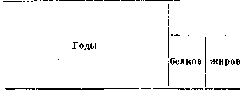
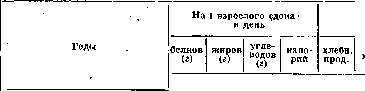
The main importers were England, Italy, France, Germany, Holland, and Belgium, absorbing over 80% of world wheat exports. The main exporters were Canada, the North American United States, Argentina, and Australia. Foreign trade in wheat has been experiencing a severe crisis over the past 3 years. England, France, and Italy tend to shut themselves off into the consumption of wheat from their colonies and dominions (England), and Germany on its own wheat. Canada, the United States, and Argentina are suffocating from "surpluses" of wheat. The so-called "wheat crisis" has in no way affected only the USSR, whose foreign trade continues to develop, and the export of wheat (and other food products) is subordinated to the general tasks of socialist construction, including the tasks of improving the nutrition of the working people. Production of nutritional products in tsarist Russia and in the USSR. The production of nutritional products in capitalist Russia, unlike in developed capitalist countries, was at an extremely low technical level, which found expression in extremely low crop yields in agriculture, low quality of livestock productivity, and low quality of the products themselves. Systematic crop failures accompanied by famine among millions of the population, the systematic "shortage" of basic nutritional products for millions of the peasantry even in years of good harvest were an expression of the peculiarity of the development of agrarian relations in capitalist Russia, where the predatory type of extensive agriculture was preserved, making it possible for the state to throw huge masses of substandard and cheap grain abroad as the basis of an active balance, and for the landowners and kulaks, even at low prices for Russian bread, to make profits at the expense of the unceasing ruin and undernourishment of millions of the peasantry. Primitive processing of the land, the absence or extreme shortage of fertilizers, the almost complete absence of pest control amid the extreme fragmentation of peasant farms were the reason why, under the conditions of the tsarist regime, the gross harvest of grain crops increased in 50 years by only 2 times and reached about 65 million tons before the war. At the same time, grain exports abroad increased 7-fold over 50 years and before the war amounted to about 14% of the gross grain harvest (up to 10 million tons). The October Revolution fundamentally changed agrarian relations. By liquidating the landowner, it destroyed private ownership of land, abolished the buying and selling of land, and established the nationalization of land. This led to an easing of the situation of the peasantry, who did not need to buy land in order to produce bread. The liquidation of the parasitic element in agriculture was reflected in the growth of the material well-being of the broad masses of the peasantry. Finally, on the basis of the collectivization of peasant farms, the kulak class was liquidated, and the peasant masses, united in collective farms, embarked on the broad path of socialist construction. "In pre-revolutionary times, landowners 'produced' at least 600 million poods of grain crops; kulaks produced 1,900 million poods of grain; while the poor and middle peasants produced 2,500 million poods of grain. In 1927, the kulaks 'produced' only 600 million poods, while the poor and middle peasants produced 4 billion poods; this means that the kulaks weakened by more than three times, and the situation of the poor and middle peasant masses was significantly alleviated. The production result of the socio-economic changes in agriculture was that the sown area grew by the end of the first five-year plan by 30 million hectares (including 21 million hectares during the five-year plan), i.e., by 24%, and 6 million horse-less peasant farms (poor farms), having joined collective farms, became horse-owning, tractor-using, and consequently two tens of millions of the rural population thereby emerged from a state of poverty and misery" (Yakovlev). Production of grain crops (breads), equal to about 720 million centners in pre-war years, rose by 1928 to 733 million centners, and in 1932 it was about 860 million centners, and moreover, instead of 85-100 million centners of marketable grain procured during the period of predominance of the individual peasant farm, in the last years of the five-year plan it became possible to procure (centralized procurements) 200-230 million centners. The industrialization of agriculture, the change in the nature of land use, fertilizers, and pest control in agriculture, applied on a mass scale in the socialized sector of agriculture, increased crop yields. We already had an average grain yield per hectare of 8 centners in 1930 compared to 6.9 centners for wheat, 7.8 centners for rye, 7.3 centners for oats, etc., in 1909-14. These achievements, however, are insufficient in comparison with the opportunities that opened up in connection with collectivization. The Council of People's Commissars of the USSR and the Central Committee of the All-Union Communist Party (Bolsheviks) in their resolution of September 30, 1932, stating that "sown areas in the USSR have grown by 30 million hectares compared to the pre-war period, especially in industrial, row crops, and grasses, consider that the sown areas have been expanded sufficiently, and the goal of the first stage of agricultural upswing—the greatest expansion of areas—has already been accomplished. This means that the time has come when from the growth of the economy in width, by increasing sown areas, it is necessary to turn to the struggle for raising crop yields as the main and central task in the field of agriculture at the given stage of development. The advantages of large-scale socialist farming provide a full opportunity to increase crop yields in state farms and collective farms to an extent inaccessible to individual farming." Raising crop yields means carrying out planned measures that will ensure in the shortest possible time such land-use efficiency as will leave developed capitalist countries behind. "The Soviet Union has turned from a country of small and tiny agriculture into a country of the largest agriculture in the world on the basis of collectivization, the deployment of state farms, and the widespread use of machinery. This victory of socialism, which solves the most important and most difficult task of the proletarian revolution, has world-historical significance" (from the resolution of the 17th Party Conference). Table 4. Dimensions of large-scale agricultural production in various countries. Countries: Share of total sown area in percent. USSR (1931), state farms and collective farms (over 100 ha): 79.0. USA (1925), over 500 acres (approx. 130 ha): 34.8. Germany (1925), over 100 ha: 21.1. The development of the collective farm movement in the USSR from 1927 to 1932, the rates of development, and the share of the sown area are presented in the following form: Table 5. Dates, Number of collective farms, Number of households (members of collective farms), Share of collective sowing. June 1, 1927: 14,832; 416.7; 0.8. June 1, 1928: 33,268; 1,007.7; 1.3. June 1, 1929: 57,045; 5,999.9; 3.9. May 1930: 85,950; 13,662.5; 23.6. August 1, 1931: 217,800; 38,385.1; 55.1. May 1932: 191.7*; 80,138.3; 62.0**. *As a percentage of the total number of poor and middle peasant households. **As a percentage of the total sown area (excluding state farms). The resolution of the livestock problem, like the grain problem, is taking place on the basis of the socialist reconstruction of agriculture. The Council of People's Commissars of the USSR and the Central Committee of the All-Union Communist Party (Bolsheviks) in their resolution of July 31, 1931, clearly defined both the tasks facing this area and the ways of solving the livestock problem in the USSR. "The central task in the immediate future in the field of agriculture: 1931 and 1932 must be years of such a decisive turning point in the development of livestock breeding as 1929 and 1930 were in the organization of socialist grain farming." The solution to the livestock problem is proceeding not only along the path of increasing the herd, but also along the path of changing the quality of the herd, the path of building the meat and dairy-butter industry, building enterprises for the production of mixed feeds, using the latest scientific achievements in biology (the role of endocrine glands), and fighting against losses and for product quality. A major role is played by the use of waste products from the food industry and public catering. The resolution of the vegetable problem is proceeding along the same paths as the grain and meat problems. The socialist sector of agriculture in this area of food production has significant achievements. Table 6. Dynamics of sown area under vegetables (in thousand hectares). Years: In state farms, In consumer cooperative farms, In collective farms, In individual farms, Total. (Data omitted/garbled in OCR for some columns, totals and ranges shown: 19, 140, 21, 317, 300, 700, 805, 757, 690, 832, 1,144, 1,830). The struggle to increase marketable vegetable production is being waged not only by expanding sown areas, but primarily by maximizing crop yields. The task of obtaining high yields is connected with the task of improving the quality of vegetable products. The improvement of the quality of vegetables must be considered both from the side of preserving their basic properties during harvesting, transportation, storage, etc., and from the side of expanding the assortment of vegetable products and solving the issue of supplying the working population with fresh vegetables all year round. This is of great hygienic significance. The expansion of early vegetable sowing and the maximum expansion of greenhouse farming are one of the ways to solve this task. The possibility of combining the cultivation of vegetables and mushrooms (champignons) in greenhouses allows for the development of greenhouse cultivation of these and other valuable and useful products in the shortest possible time and under very profitable conditions. The fruit and berry economy of the USSR is in the most backward state. Here the main thing is not so much the area, but rather the change in the geography of fruits, the cultivation of new varieties, and the development of industry. The works of Michurin (Michurinsk) and Moiseyev (Altai) proved the possibility, in the first case, of moving berries and fruits significantly further north of their 'usual' growth while simultaneously breeding new varieties, and Moiseyev's works proved the possibility for Siberia to have its own apples. An area of up to 500,000 hectares on the coast of Crimea, in Turkestan, and Azerbaijan, currently barren, can be used for the growth of citrus fruits (oranges, etc.). The problem of food processing, or the development of the food industry, is being solved on the basis of the development of heavy industry. The resolution of the XVI Congress of the All-Union Communist Party (Bolsheviks) on the development of industry serving the nutrition of the broad masses, emphasized in the decisions of the December Plenum of the Central Committee and the Central Control Commission of the All-Union Communist Party (Bolsheviks) in 1930, as well as the directives given in the appeal of the Council of People's Commissars of the USSR and the Central Committee of the All-Union Communist Party (Bolsheviks) dated September 29, 1932, on the deployment of a large food industry and, first of all, the organization of a powerful meat and canning industry, basically predetermine the development of the food and condiment industry for the coming years. The implementation of these decisions is proceeding along the lines of expanding and better organizing the socialist raw material base, along the lines of expanded construction of new enterprises, reconstruction and expansion of old ones, and along the lines of reconstructing the raw material base in terms of the assortment and condition of raw materials. The geographical location, isolation from raw materials or industrial centers, low technical level, and unsanitary state of the food industry essentially posed the question of a new industry. The dynamics of the food and condiment industry is as follows. During the years of the first five-year plan, 553 enterprises were built in the main branches of the food industry of the People's Commissariat of Supply: 70 canning plants, 40 refrigerators, 10 meat-packing plants, 5 bacon factories, 6 sugar factories, 10 oil-mill plants, 1 starch-and-syrup combine, 11 starch-drying plants, 15 egg-and-poultry combines, 4 dairy plants, 227 mechanized butter-and-cheese-making plants, 7 margarine plants, 7 confectionery factories, 3 macaroni factories, 32 factory-kitchens (in the system of Soyuznarpishch, People's Commissariat of Supply), 22 fruit and vegetable processing combines, 74 trawlers, a floating whaling factory, 1 salt industry enterprise, 7 mixed-feed plants. 'The years 1930–1931 were years of gathering the scattered food industry into a single fist and the beginning of the construction of a real food industry organized according to the newest technical models' (Mikoyan). Prior to 1928, 250 million rubles were invested in the food industry; over the first five-year plan, the total amount of investments is 2 billion rubles. Before the October Revolution, the canning industry existed in the form of small, handicraft and semi-handicraft enterprises. The total output of the pre-war canning industry was about 80 million standard cans weighing 400.0 grams; it served mainly the army and an insignificant part of the urban consumer, supplying them not with food preserves, but with appetizers, mainly of a delicate type. The processing of fruits and vegetables barely reached 0.75% of the total output (2,375 thousand tons) and fish—1% (with a catch of 1,150 thousand tons). The growth of canning industry output in the USSR is as follows: while in 1921/22 9 million cans were produced, in 1925/26—45.7 million, then in 1929—103.8 million, in 1930—226.0 million, in 1931—600 million. Table 7 (p. 51) shows the shifts in the canning industry by type of product (in thousand cans). The Council of People's Commissars of the USSR and the Central Committee of the All-Union Communist Party (Bolsheviks), giving a directive and indicating the ways to solve the meat problem, point out that 'the only correct path for the prompt resolution of the meat problem is the path of industrialization of the entire meat economy, the path of creating a powerful meat industry.' From the standpoint of the achievements of modern science and technology of meat production, our country practically had no meat industry. We had (and to a significant extent still have) separate, scattered enterprises, slaughterhouses, refrigerators, sausage, bacon, meat-canning, fat, intestine, and other enterprises. All these enterprises were backward, primitive workshops, not connected to one another by the unity of technological and production processes, with a very low technical and sanitary level. They were scattered far from one another and subordinated to various organizations and institutions, sometimes having nothing in common with meat production. The modern meat industry does not know and does not tolerate the separate existence of the enterprises listed above. By the end of 1933, our country must commission 57 new enterprises of the meat industry with a total annual output of 15 million tons of meat products—of which 8 are large, 14 of medium capacity, and 35 low-capacity combines—in addition to 4 small meat-packing plants for processing reindeer. Taking into account that meat supply in 1931/32 completely, and in 1933 to a significant extent still, will rely on the work of existing enterprises, Soyuzmyaso in 1931/32 reconstructed and expanded 51 existing meat-packing plants. The development of bread baking through the construction of powerful bakeries according to the latest word in technology is as follows. In large industrial centers, as of January 1, 1932, 224 enterprises with a daily capacity of 9 thousand tons of bread were put into operation. By a government decision of October 4, 1931, the construction of 209 enterprises with a daily capacity of 11 thousand tons is provided for in 1932. With the fulfillment of this plan, the technical base of baking in the city will be mechanized by 72%. The October Plenum of the Central Committee of the All-Union Communist Party (Bolsheviks) in 1931 resolved to complete the mechanization of baking in all large cities and industrial centers no later than 1933, and in Moscow, Leningrad, the Urals, and the Donbas no later than the end of 1932. Nutrition level in tsarist Russia and in the USSR and supply. One of the methods for studying the level of nutrition is the method of income-expenditure records, or nutrition budgets. The positive side of this method was that it made it possible to reveal the extremely low level of nutrition of workers and the poorest peasantry, thereby providing material that exposes the bourgeoisie and characterizes the impoverishment of the working class and the expropriation of the peasantry. Lenin showed a brilliant example of a Marxist study of such budgets. Analyzing the budgets of the peasants of Voronezh Governorate (collected by Shcherbina in 1885–97), Lenin revealed the picture of the nutrition of individual social-class groups of peasants (Lenin, 'Development of Capitalism in Russia', vol. III, 3rd ed., 1926). Food consumption is as follows: Table 8. Falls to 1 person of both sexes. Groups: a—horse-less, b—with 1 horse, c—with 2 horses, d—with 3 horses, e—with 4 horses, f—with 5 or more horses. 'A distinctive feature of the nutrition of the named groups of the peasantry (we are talking about horse-less and one-horse peasants)—is its insufficiency and deterioration of its quality (potatoes). The one-horse peasant is fed even worse in some respects than the horse-less one. The general 'average' on this issue turns out to be completely fictitious, covering up the insufficient nutrition of the mass of peasants with the satisfactory nutrition of the well-to-do peasantry, which consumes almost one and a half times more agricultural products and three times more meat than the poor. To compare the remaining data on peasant nutrition, all products must be taken by their value in rubles. [See Table 9.] Thus, the general data on peasant nutrition confirm what was said above. Three groups stand out clearly: the lowest (horse-less and one-horse), the middle (2-, 3-, and 4-horse), and the highest, which eats almost twice as well as the lowest. The general 'average' erases both extreme groups. The monetary expenditure on food turns out to be both absolutely and relatively the greatest in the two extreme groups: among the rural proletarians and among the rural bourgeoisie. The former buy more, although they consume less (author's emphasis) than the average peasant, purchasing the most essential agricultural products of which they are in need. The latter buy more because, as Lenin put it, they consume more, expanding in particular the consumption of agricultural products. Klepikov, analyzing the pre-war food budgets of Russian peasants, characterized their nutrition as bread-, potato-, and dairy-based. His conclusions cannot be accepted without criticism, since he omitted the socio-class essence of relations in his work. However, the material is of certain value. With his table (Table 10), Klepikov refuted the existence of a single type of nutrition for the Russian peasantry and clearly showed that the class differentiation of the peasantry determined the type of nutrition of their individual socio-economic groups. According to Shingarev's data, the peasants of the village of Novo-Zhivotinnoye had a ration amounting to 2,833.7 calories with 97.85 g of protein, 22.12 g of fats, and 543.12 g of carbohydrates per capita per day, while in the village of Mokhovatka it was 91.48 g of protein, 22.49 g of fats, and 516.5 g of carbohydrates with a caloric value of 2,703.9. According to Klepikov, the daily average per capita in 16 provinces was: proteins - 116.2 g; fats - 52.14 g; carbohydrates - 581.88 g; according to 13 provinces of European Russia: proteins - 110.5 g; fats - 49.30 g; carbohydrates - 546 g. Compared with similar indicators of peasant nutrition in other countries, the indicators of peasant nutrition in tsarist Russia are the lowest. Budgetary material on the nutrition of Russian workers in tsarist Russia is very scant. Prof. Erisman ("Food supply of workers in the factories of Moscow Governorate"), characterizing the nutrition of factory workers in Moscow Governorate in approximately the same years as the above-cited characterization of the nutrition of peasants in Voronezh Governorate, concludes: "a) In the food of our workers, both in artels and in family provisioning, there is a tremendous predominance of nutritive principles of plant origin over elements of animal origin: 81-82% of all protein and 50-70% of all fat found in the worker's average daily ration belong to food products from the plant kingdom; poorest of all in animal food are the rations in the artels of women and boys; b) The food of our workers is very rich in indigestible protein substances (26-28% of all proteins), which is explained by the presence in it of a limited amount of meat products; c) Our workers derive more than 75% of all protein and 92-96% of all carbohydrates from black bread and buckwheat groats; d) The food of our workers is poor in flavoring substances both qualitatively and quantitatively." Kabo cites later data than Prof. Erisman (Table 11 - daily nutrition of workers in calories and main nutritive principles on average per adult consumer). It is difficult and almost impossible to evaluate the cited data from the point of view of physiological norms, from the point of view of rational nutrition. The rationing of food consumption occurred not "from science, but from the political regime." The October Revolution fundamentally changed the consumption of food products by the working population. The shifts that occurred in the consumption of food products by the rural population boil down to a qualitative improvement in food. This finds expression in: the replacement of rye bread by wheat bread (541.1 g of rye bread in 1924 and 402.2 g in 1927/28, while the daily norm of wheat bread during this time rose from 157.2 g to 300.5 g); in a significant increase in the consumption of sugar and sugary substances (from 5.8 g per capita per day in 1924 to 15.3 g per day in 1927/28); in an increase in meat products over the same time from 82.6 g per capita per day to 109.5 g per day; in an increase in dairy products from 276.0 g per capita per day in 1927 to 299.8 g in 1928. The grouping of budget data by income groups of the workers' family allows us to notice internal differences in the nutrition of individual groups of worker families, depending not only and not so much on the size of wages, but on the quality of work of the consumer cooperatives, the degree of their coverage of the food market, the degree of involvement of family members in production, etc. The table of the dynamics of nutrition of USSR workers (Table 14) and the table of consumption of food products in various wage groups of workers (Table 12) indicate an improvement in the quality of nutrition of USSR workers, which is expressed in an increase in the consumption of biologically high-quality products (milk, eggs, meat, etc.). At the same time, under USSR conditions, differential pay for labor is not an obstacle to raising the nutrition level of low-paid groups of workers. Table 13 confirms the presence of shifts toward the improvement of nutrition in groups with an unchanging budget, and also testifies to the progressive improvement of nutrition in the lowest family income group as well. The change in the level of nutrition, the main shifts in the nutrition of workers, peasants, and employees in the reconstruction period are characterized by Tables 14 and 15 given below (pp. 57-58). The tables show the dynamics of nutrition over several years—the food of workers and peasants in chemical expression. The supply policy in the first five-year plan is based on the class differentiation of the ration, the separation into a special group of workers in major industrial centers and regions (Moscow, Leningrad, Baku, Donbass), as well as the enhanced supply of workers in underground, hot shops, and shock construction projects. These measures for supplying workers with food are closely related to the task of raising labor productivity, encouraging socialist forms of competition and shock work, and also with measures to combat labor turnover. The supply of food products is carried out along three main lines: a) along the line of centralized state procurements (procurement of grain and livestock products by way of tax), b) along the line of decentralized procurements carried out by closed workers' cooperatives (ZRK), canteens, individual collectives of workers and employees, and finally c) by organizing their own food bases at enterprises (state farms, rabbit warrens, kitchen garden and pond farming, dairy farms, pig-fattening stations, etc.). A new stage in the organization of food supply is the decree of the Council of People's Commissars of the USSR and the Central Committee of the All-Union Communist Party (Bolsheviks) of December 4, 1932, "On expanding the rights of plant managements in supplying workers and improving the ration card system," aimed at better organizing workers' supply and establishing a closer connection between the distribution of food products and the interests of production. By this decree, the most important enterprises of heavy and light industry were singled out into a special group. At these factories and plants, factory shops closed to non-workers of the given enterprise are organized instead of the being liquidated workers' cooperatives. The supply of the first group of large enterprises, in addition to self-procurements, which must be developed in every possible way, will be carried out through the bases of cooperative and state organizations. The workers' cooperatives of other enterprises where closed factory shops are not organized remain in the system of consumer cooperation, but their activity is subordinated to plant managements. Plant managements are obligated, in exercising systematic guidance over the work of workers' cooperatives, to render them material and financial assistance within the limits of their estimates in the better development of trading premises, transport, cooperative farms, kitchen gardens, rabbit breeding, pig breeding, poultry farming, etc. Of great principal and practical significance for combating absenteeism among workers, truants, and disorganizers of production is the improvement of the ration card system. The issuance of ration books for workers and members of their families is transferred to plant managements and is carried out according to the interpretation of payrolls.
Public nutrition is the most important link in raising labor productivity, improving the daily life of workers, emancipating women, and freeing them from the necessity of spending time and effort on maintaining stultifying petty housekeeping. Lenin pointed out the significance of public nutrition: "Real emancipation of women, real communism begins only where and when the mass struggle (led by the proletariat holding state power) begins against... petty domestic housekeeping, or rather, its mass restructuring into a large-scale socialist economy." The changes in the production relations of people introduced by the dictatorship of the proletariat imperatively posed the question of the socialist restructuring of domestic housekeeping. But for this, a material base was needed. Without decisive successes in the industrialization of the country, there could be no question of the possibility of creating such a type of socialist economy. Only in the first five-year plan, especially in the last two years, was the party able to wage a broad front struggle to switch the food supply of workers from the forms of isolated domestic housekeeping to public nutrition. The successes of industrialization provided the necessary equipment and inventory for the new large-scale socialist economy replacing the stultifying domestic one, and made it possible to move to the mass construction of the largest factory-kitchens, whose throughput capacity is determined by tens of thousands of dishes per day.
Having grown over the past number of years into a powerful branch of the food industry, public nutrition has no pre-revolutionary history. By the time of the October Revolution, we had an insignificant number of restaurants, cafes, dining rooms, and cheap eateries (at coaching inns, in markets, in bazaar areas) in the largest cities. Entrepreneurial initiative under these conditions boiled down to presenting low-quality products to the consumer in the form most veiled by culinary art and avoiding the rare troubles with sanitary supervision of those times. Those chefs who could skillfully prepare spicy, sour, salty snacks and dishes that induced "thirst" were most valued. The role of sanitary measures boiled down to issuing certain police regulations, periodic, extremely rare visits by a sanitary doctor, and in the rarest of cases, drawing up an act on the unsanitary state.
During the period of War Communism in the USSR, public nutrition originated and developed not only in cities, not only for adults, but also in villages and for children's groups. The role of public nutrition particularly increased in 1921/22, the year of famine. Many human lives were saved thanks to the heroic work of the Public Committee to Assist the Hungry (Pomgol), which managed to redistribute and direct scarce food resources to the places of greatest need among workers and the poorest peasantry! By a decree of the Council of Labor and Defense of May 2, 1923, the charter of Narpit was approved. By August 1, 1923, Narpit had opened 17 dining rooms in Moscow and the provinces with a throughput capacity of 16,000 meals a day. The growth of public nutrition enterprises controlled by Narpit is represented as follows:
In 1931, states the decree of the Central Committee of the All-Union Communist Party (Bolsheviks) of August 19, 1931, public nutrition encompassed 5 million workers and 3,800 thousand other working people in cities; 3 million children in schools are served hot breakfasts; the public nutrition network reached 13,400 units; a significant number of factory-kitchens and mechanized dining rooms were built; more than 200 million rubles were invested in capital construction alone over the last 3 years. In 1928, there were only 3 factory-kitchens in the Vsenarpit system; in 1929 there were 8, in 1930—24, in 1931—27, and by the beginning of 1932 in the Vsekoopit system there were 44 factory-kitchens with an average capacity of 30-35 thousand dishes per day each. By the end of 1932, the network of factory-kitchens expands to 87. Soyuznarpit deployed the construction of 26 factory-kitchens in Moscow in 1932 with a total capacity of 400 thousand dishes; 7 new factory-kitchens have already entered operation in Moscow. Construction began in Moscow of the first food processing plant, which will produce 250 thousand meals a day. In the Urals, construction of 12 prep-kitchens with a capacity of 442 thousand dishes per day began. In the Donbass in 1932, the construction of 35 prep-kitchens for 640 thousand dishes was started. The coverage of public nutrition in 1932 is expressed as 42.8%, including workers of the special list at 63.2%, higher education students at 80%, and employees at 25%. The growth of output of public nutrition enterprises was as follows:
By December 1, 1932, over 14 million people were covered by daily meals in public dining rooms, i.e., 6 times more than planned according to the five-year plan for the final year. Capital investments in the public nutrition system. Until 1927, the construction of the public nutrition network was carried out at the expense of local funds. During the period from 1924 to 1927, local funds allocated, according to rough estimates, approx. 15 million rubles. From 1927, allocations for the capital construction of public nutrition pass through the state budget. Allocations by years were as follows:
Monetary turnovers of the public nutrition system. The growth of the monetary turnover of the public nutrition system also testifies to the stormy development of the activity of the public nutrition system. Turnovers of the public nutrition system of consumer cooperation:
The main requirements presented to public nutrition in the first five-year plan boiled down to accelerating the pace of socialist construction, assisting industrial enterprises in fulfilling the industrial and financial plan on the basis of raising labor productivity, helping to reduce worker absenteeism, reducing labor turnover, reducing worker morbidity, increasing the involvement of workers' wives in production, best providing for workers in leading industrial sectors and shock workers, and so on, by turning public canteens into one of the most important forms of class distribution of products, turning canteens at industrial enterprises into shops of nutrition, and thereby quantitatively and qualitatively corresponding to the demands of the Soviet worker, demands that had increased in comparison with the preceding period. Particularly serious and responsible tasks faced public nutrition at new construction sites, where to a greater extent than anywhere else, the issues of construction pace, labor turnover, absenteeism, and so on, were connected with the quality of the organization of public nutrition and the quality of output. Under conditions of a temporary type of cultural and living services for workers, under conditions of the struggle for the deadlines and quality of construction, public nutrition was often the only form of satisfying food needs. A whole series of decisions of the party and government on issues of consumer cooperation, on issues of supplying workers, and directly on issues of public nutrition (the decree of the Council of People's Commissars of the RSFSR of June 26, 1930, the December Plenum of the Central Committee of the All-Union Communist Party (Bolsheviks) of 1930, the appeal of the Council of People's Commissars of the USSR, the Central Committee of the All-Union Communist Party (Bolsheviks) and Centrosoyuz of June 12, 1931, the decree of the Central Committee of the All-Union Communist Party (Bolsheviks) of August 19, 1931, and others) not only attracted the attention of the proletarian public to issues of public nutrition and created a certain turning point in improving it, but also introduced a number of principled moments into the business of supplying nutrition products. The question of the public, of its role in ensuring the correct organization of nutrition by these decisions received a practical conclusion, which along the lines of sanitary work affected not only the quality of the work of public health bodies, but also led to new forms of development of this work. The decision on the organization of closed workers' canteens, workers' cooperative restaurants, on independent procurements and purchases by workers' cooperative restaurants had as its consequence the mass involvement of workers in the organization of their nutrition, led to the strengthening of the class principle in the distribution of nutrition products, to the improvement of the organization of public nutrition, to the transformation of the enterprise canteen into a shop of nutrition. Under the conditions of the deployment of collective farm trade, the main condition for the deployment of public nutrition is the all-out development of its own decentralized procurements of products necessary for canteens and factory-kitchens, and the creation of its own food base. The development of food bases proceeds in the direction of the development of fisheries, vegetable farming, poultry farming, rabbit breeding, mushroom growing, dairy farming, the breeding of cattle and pigs, fruit and berry growing, and so on. These shifts in the very essence of the organization of nutrition called to life new forms of sanitary work in this field. On the one hand, we have the development of the institute of sanitary food supervision along the lines of the People's Commissariat of Supply, Centrosoyuz, the development of the construction of special institutes and laboratories within these organizations. Such a system makes it possible to put the issues of sanitary protection of food products in the process of their processing, storage, transport, and so on, on a scientific footing. The industrialization of the food industry is carried out along with and jointly with the hygienization of production processes. Such a formulation of the business of sanitary protection of nutrition products has as its natural consequence the creation of cadres of specialist branch sanitary-food physicians, the development of branch scientific and scientific-applied institutions. On the other hand, along the lines of public health bodies, the form of sanitary work was reorganized and its quality changed for the better. Instead of sanitary supervision carried out without a plan of specific measures and outside of specific objects, instead of leveling and impersonality in the servicing of public nutrition, we have the state sanitary-food inspection working according to a specific plan of sanitary-hygienic measures for a given canteen, for a given food store of the workers' cooperative restaurant, for a given vegetable storehouse, and so on. Qualitatively new besides the planned nature of the work of the state inspection is that in its work it relies on the institute of workers' sanitary inspection, and through it on the workers' active and on the entire working mass of a given industrial enterprise. Public inspection ensures preferential servicing of workers in leading branches of industry, ensures the drawing up of a specific plan of work of the state inspection (workers' proposals), ensures the implementation of the plan of measures, because, being attached to individual enterprises of public nutrition, workers' cooperative restaurants, food bases, and so on, mobilizing and drawing the public of these enterprises into sanitary work, putting forward and carrying out the proposals of the workers of their enterprises (from which they are singled out) at production conferences, through all this the workers' inspection connects the needs of the workers with the production functions of food enterprises, sanitizes and hygienizes the processes of food preparation, food intake, and so on. Guidance of the work of the workers' inspection is the task of the state inspection, a task based not on turning the worker-inspector into an assistant inspector, but on obtaining through him assignments (workers' proposals), the implementation of control functions, the execution of the plan. These tasks are connected with raising the sanitary literacy of the workers' inspection through evening workers' universities, through special (and specialized) courses. Methodological guidance of the workers' inspection is a very important factor in the work of the state inspection. The workers' inspection is not the only form of the working public in ensuring healthy food for the worker. Trade-cooperative sections, deputy groups, and so on—the entire Soviet public participates in one way or another in sanitary measures and the business of nutrition. Maximum organizational successes are achieved when the health posts of industrial enterprises raise their work in the factory canteen to the proper height. Thereby they involve all links of the public, most fully use the competence of the sanitary-food inspection, thereby achieving effective results in improving public nutrition. The development of self-procurements and the organization of food bases at enterprises have strengthened the role of health posts in this matter, complicated their work and at the same time made the work most fruitful and effective, since food products from the moment of procurement to the reception of the finished food become the object of direct action by the health post. Sanitary-hygienic issues are resolved correctly under conditions of sufficient, timely, and most complete scientific elaboration of them. This role is performed by the State Institute of Nutrition, regional and oblast institutes of nutrition, laboratories, medical institutes (corresponding departments of sanitary-prophylactic faculties). The construction of these institutions lags behind the demands of the present day, the content of their work cannot yet fully satisfy these demands, but we already have huge achievements in the form of a number of new institutes that have arisen, dozens of laboratories, and so on. In the socialist sector of agriculture, in collective farms and state farms, public nutrition developed having the same tasks of raising labor productivity, the emancipation of women, and raising the living standard of collective farmers. In 5,000 state farms and 200,000 collective farms, public nutrition is winning a firm place along with the strengthening of these forms of socialist agriculture. Likewise, public nutrition is developing at a rapid pace among organized children. School hot breakfasts and dinners have entered the life of the school, developing and improving qualitatively. The improvement of the nutrition of collective farmers and children is carried out on the basis of the organizational and economic strengthening of collective farms, the growth of labor productivity, and the strengthening of labor discipline. Older collective farmers of the area of activity of the Bezenchuk MTS on the Middle Volga in their letter to Comrade Stalin answer the question "What did the collective farms give to the peasants" as follows: "Earlier, 30% of peasant households were without horses, now, with rare exceptions, every collective farmer has his own cow, pigs, sheep, and poultry. This of course not counting what we have on collective farm farms... Every conscientiously working collective farmer works out 300-350 workday units per year. For a workday unit in our collective farms working well, there accounts 3 and a quarter kilos of grain, in medium ones - 2.5 kilos, and in the worst ones - 2 kilos. It turns out thus that a conscientious collective farmer earns grain from 6 - 7 centners to 10 - 12 centners. Take now a family where two or three people honestly work on the collective farm. Such a family will consequently receive in an average collective farm 120 - 130 poods of grain" (Pravda, January 29, 1933). The problems of nutrition in the second five-year plan are determined by those guidelines that were given by the XVII Party Conference. "On the basis of the liquidation of parasitic class elements and the general growth of national income entirely placed at the disposal of the working people, a significantly faster rise in the well-being of the working and peasant masses must be achieved."
The conference considers that the supply of the population with basic consumer goods, including items of nutrition, must increase by the end of the second five-year plan by no less than 2-3 times compared to the end of the first five-year plan. The fundamental principle of the new, socialist distribution of light industry will be not only its broader deployment, but also its approach to raw material regions, i.e., its shift to the east. Sugar refineries are being shifted to the east—Kazakhstan, Siberia, Central Asia (including Kyrgyzstan), Transcaucasia, etc. Meat combines—Kazakhstan, Eastern Siberia, and other cattle-breeding regions. Meat combines will also be built in consumption regions: in Moscow, Leningrad, and other major proletarian centers. Extensive meat-packing and fish-canning plants will be built in the Far Eastern Krai, in Kazakhstan, in the Northern Krai, on Murman, etc. Machine-tractor stations will encompass all collective farms and mechanize essentially all field cultivation. State farms must expand their production and strengthen their role as a model of socialist organization of production and labor, as an example of the application of advanced machine technology and all achievements of modern agronomy to agriculture. The problem of the geographical distribution of the food industry cannot be resolved without taking into account the zoning and specialization of agriculture; it is also resolved depending on those shifts in the structure and geography of consumption that must take place on the basis of socialist industrialization; numerous threads ultimately connect this problem with the distribution of the main branches of heavy industry, in particular energy hubs, which must play a decisive role in transforming the social and economic profile of individual regions of the USSR. Such facts as the construction of a second coal-metallurgical base in the east and the transformation of the consuming part of the RSFSR into a producing one lead to the gradual destruction of the habitual division into producing and consuming regions, and along with them, the territorial separation of the food industry from places of consumption. The specialization of agriculture is also connected with specialization along the lines of the food industry. The combination of the food industry also creates a new combination of factors influencing geographical distribution. The combination of flour milling with bread baking, with the macaroni and biscuit industry, the sugar industry with the confectionery and dairy industry (condensed milk), the combination of the canning and corn industry, and others are urgent problems of the second five-year plan. The use of corn, sorghum, and chicory in the sugar industry, soy, cedar, and other oilseeds in the oil-milling industry, wild berries in the fruit and berry industry, etc., take the respective industries far beyond those geographical frameworks that were created by previous historical development and served as shackles for their further growth. The issues of the quality of food industry products raise the problem of hygiene and sanitation in its entirety. To make production hygienic means to carry out and fulfill a number of health-improving measures throughout all technical processes of manufacturing a food product, ensuring sanitary conditions so that the final result is a high-quality, standardized product. Nutrition
duct. It is necessary to ensure production with standard raw materials, organize warehousing and storage under hygienic conditions, hygienically carry out food production technology and its individual process operations, formulate hygienic standards for constituent parts (raw materials, spices, supplies, preservatives, and other recipes), and hygienically organize labor, machinery, and in-plant transport. All conditions and items must be approached hygienically. The entire production staff of the enterprise, from the director to the worker, must know and understand the tasks of hygiene, find their place in this sector, and solve these tasks in their daily work. Under these conditions, the task of sanitary inspection is to expand and deepen sanitary and hygienic guidance in all areas of production." The total mass of food products produced in the second five-year plan will not only be sufficient to increase consumption by 2-3 times compared to 1932, but the very assortment of products will change qualitatively, i.e., the very quality of nutrition will change. "With the general growth in food consumption, it is especially important to radically change the structure of nutrition towards its significant improvement by increasing the consumption share of products that are most nutritious and most easily assimilated by the human body. The consumption of such foodstuffs as meat, milk, fruit, eggs, and others must increase particularly significantly. Approximate calculations of per capita consumption norms in 1937 for individual, most important personal consumption products allow us to assert that in terms of consumption levels, the Soviet Union will be the most advanced country in the world, visually showing all working people what the working class building socialism can achieve" (Kuibyshev, 17th Party Conference). L. Politov. II. Nutrition from a physiological point of view. "Nutrition" as a physiological term denotes the realization of a complete supply of the body (as a whole or in each of its parts, organs, and cells) with material at the expense of which the phenomenon of assimilation (synonym - anabolism) takes place, i.e., firstly, the restoration of material losses that occurred in the course of dissimilatory processes in the body (see Dissimilation), secondly, the deposition of reserve substances [thesaurization (from the Latinized Greek word thesaurus - storehouse, reserve)] in certain tissues called depot tissues (e.g., fat in adipose tissues, glycogen in the liver, etc.), and thirdly, the neoformation of tissues (growth and regeneration). The chapter on nutrition also includes a range of issues relating to the characteristics of food and its individual components, insofar as they, both together and separately, exert a corresponding influence on the completeness of assimilatory processes. With this conception, it is obvious that nutrition can satisfy the body only if the absorbed part of food is truly the material at the expense of which assimilation could proceed in the appropriate volume. This viewpoint is expressed by Voit (C. Voit) in his definition of the concept of food: "By food we mean such a mixture of nutritional substances (or agents) which maintains the body in its material composition or brings it to the desired material state." Thus, the quantity and quality of normal nutrition must be in close connection and direct proportion to the needs of the given organism, somewhat exceeding them in the sense that at the expense of certain parts of the material introduced into the body, reserve tissues (depot tissues) could be replenished to a certain extent. Nutrition of the body will be normal when food, covering all body needs in an adult organism, creates constancy of body weight and proper functioning of the organism, and in a growing organism, besides that, also proper weight gain according to age and normal development of all its tissues and organs. Such nutrition is contrasted, on the one hand, with insufficient nutrition, leading to body weight loss in adults and imperfect growth and development in growing individuals, and on the other hand, with excessive nutrition, in which significant growth of depot tissue occurs, mainly adipose tissue, into the fat of which part of the food excessively introduced beyond the satisfaction of the body's needs is converted. The physiology of normal nutrition encounters a whole series of problems: problems of calories, protein, fats, carbohydrates, and mineral components of food; the problem of vitamins; problems of nutrition in various types of occupational work, during growth, pregnancy, lactation; the problem of nutrition in old age; the problem of food digestibility under various conditions of nutrition; the problem of nutrition under various climatic conditions; the problem of establishing correct proportions of food substances in order to reveal the optimal effects of food composition on labor efficiency; the problem of taste in nutrition. However, given the current state of our knowledge on the laws of nutrition, the mentioned problems are still insufficiently resolved, and the last two problems have only recently been posed in Soviet physiology. The problem of calories. The latent chemical energy of organic substances released in the process of catabolism (see Dissimilation) is converted (directly or through the mediation of mechanical work) into heat, which leaves the body either as such (through radiation and conduction) or via vapor formation. This constitutes energy expenditure, which must be covered by its income in the form of the latent chemical energy of absorbed food products. Therefore, to determine the volume of human nutrition from an energetic standpoint, it is necessary to know, on the one hand, his energy expenditure under given conditions of life (the method of direct or indirect calorimetry is used, see Calorimetry) and, on the other hand, the energetic evaluation of food, i.e., its calorie content (determined again either by direct calorimetry or by calculation based on the content of digestible proteins, fats, and carbohydrates in the food). Determining energy expenditure in humans is a difficult task, far from being practically solved. The fact is that the expenditure of energy proceeds, understandably, parallel to dissimilation, and the latter changes in intensity throughout the day, having a minimum during sleep and rising during wakefulness to various degrees, depending on changes in the intensity of work, the influence of food intake, and external temperature and other conditions. To determine energy expenditure for a given period of time under a given state (rest, work, etc.), convenient techniques have been developed based on methods of studying gas exchange; by applying these techniques to various stages of work and rest during the day, one can approximately determine the energy expenditure of a human per 1 kg of weight in 1 hour for individual states (Table 1). Table 1. Energy expenditure per 1 hour (according to Sherman). Calories per 1 hour, individual states per 1 kg of body weight, per person of 70 kg weight. Sleep: 0.93, 65. Calm lying without sleep: 1.10, 77. Sitting at rest: 1.43, 100. Reading aloud: 1.50, 105. Standing "at ease": 1.50, 105. Hand sewing: 1.59, 111. Standing at attention: 1.68, 115. Knitting (23 stitches per 1 min.): 1.66-1.69, 116. Dressing and undressing: 1.74, 118. Singing: 1.93, 122. Tailor work: 2.00, 135. Fast typing on a typewriter: 2.06, 144. Ironing with a five-pound iron: 2.06, 144. Washing dishes: 2.43, 170. Bookbinder work: 2.43, 170. "Light" work: 2.57, 180. Shoemaker work: 2.86, 200. Walking (at a speed of 4.5 km per 1 hour): 3.43, 240. Work of a carpenter and metalworker: 4.14, 290. "Medium" work: 4.28, 300. Walking (at a speed of 6 km per 1 hour): 5.71, 400. Mason work: 6.43, 450. "Heavy" work: 6.86, 480. Wood sawing work: 7.14, 500. Swimming: 8-14, 570. Running (at a speed of 8 km per 1 hour): 8.57, 600. "Very heavy" work: 9.28, ... Using such a table, knowing the nature of work and the time budget of a worker, one could calculate his energy requirement for a day, for example, according to the following plan (Table 2). Table 2. Energy expenditure of a metalworker-blacksmith (from the works of the gas exchange department of the Nutrition Institute in Moscow). State of the subject: Hours. Sleep: 0.93, 520.8. Prof. work: 3.49*, 1710.1. Rest: 1.31*, 366.8. "Light" work: 2.43, ... "Medium" work: 4.14, ... Total: ... * From data of the experiment by O. P. Molchanova. The practical application of such calculations is possible only when we have at our disposal a large number of investigated cases of each profession, which requires: 1) accumulation of experimental data on energy expenditure during professional work, 2) precise study of the time budget of workers of a given profession, 3) more accurate data on energy expenditure in various states during wakefulness outside of professional work, since the information given in Table 1 is unsatisfactory due to its incompleteness and insufficient detail.
Only by operating with a large number of cases is it possible to encompass all the diversity of influences of individuality, age, training, psychological set, various concrete conditions in the work environment, influences of daily life characteristics, and much more; then all the results of physiological studies of caloric value, fluctuating under such circumstances, when combined algebraically, will form a stable average that can be used practically. As yet, we do not have such a large number of caloric surveys in our hands, since in Western Europe and America physiologists take very little interest in such mass surveys, whereas in our Union such work, carried out in a systematic manner, began so recently (Institute of Nutrition, Gas Exchange Department) that it is as yet difficult to expect firmly established results in the near future. When the physiologist has flawless data obtained on the basis of a relatively large number of surveys, just mentioned, it will be possible to establish caloric norms of food rations for various professional groups of the population. Until now, ration norms have been established mainly only on the basis of statistical budget studies (see). This survey method is based on determining the quantity of consumed products over a certain period based on individual records (questionnaires) among families or other groupings of persons selected for observation. From these records, one can calculate the quantity of consumed nutrients (proteins, fats, carbohydrates, etc.) and the energy contained in them (caloric value) per "soul" of the population. In statistical practice, there are a number of ways to recalculate for a single adult "eater"; the most widespread is Engel's method, which consists in the fact that the consumption of a newborn is taken as unity and 0.1 is added for each year of life up to 20 years for women (when it makes 0.1x20+1=3 units) and up to 25 years for men (when it makes 0.1x25+1=3.5 units); thus, a family consisting of persons of different ages receives a number of units equal to the sum of units of each age, and the recalculation of the total consumption of this family to 3.5 units gives an idea of the consumption of products by a single adult male eater. It is quite clear that such a calculation method can yield a large divergence from the truth. Thus, for example, according to physiological data, we know that a 10-year-old boy weighing about 30 kg consumes 80 calories per 1 kg per day, which constitutes a total expenditure of 80x30 = 2,400 calories; an adult man, depending on the heaviness of his labor, can actually consume from 2,500 calories (for example, a tailor) to 5,500 calories (for example, a stonemason) per day; the ratio of energy consumption of an adult and such a child will be expressed by different numbers—from 1 to 2.3, whereas according to Engel's method this number should be equal to 1.7. Not having in hand yet, as noted above, physiological data establishing the caloric value of various professional groups, one has to use statistical data provisionally for the time being. On the basis of literary material collected by the Institute of Physiology of Nutrition Table 3. Professions Percentage of occurrence Number of rations 1 3-4
4-5 5-6, 6-7, 12 13 14 15 16 18 Adult. Figure 1. Number of calories per 1 kg of weight for girls. Caloric groups (1-2, 2-3, 3-4, etc., thousand calories), i.e., the percentage of "occurrence" of these caloric groups is indicated. From this table, one can see not only the maximum of occurrence of one or another caloric group, but also the degree of deviation from this maximum of other caloric groups, which can characterize to a certain extent the specific weight of the obtained maximum. For example, in the group of carpenters, the maximum of occurrence falls on the caloric group of 3-4 thousand calories (40.2%), however, the neighboring caloric group also has about 37% occurrence, i.e., if approximately half of the cases have a caloric value of about 3,500, then more than a third of the cases have one of 2,500; such a comparison does not allow using the figure of 3,500 calories to characterize a given profession, since a solid number of cases has a lower caloric value, and therefore the characterizing value will be the figure of 3,000 calories. The caloric requirements of children have been studied more thoroughly and precisely thanks to the classical works of the American scientists Benedict and Talbot (Carnegie Institution) and a number of others. Here we present graphs (Holt, Fales) from which it is easy to calculate the caloric value of children's nutrition at different ages. When compiling these tables, the addition to energy demand caused by kg. 3-5 10 15 20 25 30 35 40 45 50 55 60 years ? L calories. Figure 2. Number of calories per 1 kg of weight for boys. Growth, the influence of food, and the mobility of children were adopted (Fig. 1 and 2). (Rounded numbers illustrating the energy demand of children of different ages are given in Table 4, compiled by Lucy Jellett based on her observations of the nutrition of 223 children. Table 4. Daily calories. Age Boys Girls Below 2 years 800-1200 800-1210 2-3 1000-1300 980-1280 3-4 1100-1400 1060-1360 4-5 1200-1500 1140-1440 5-6 1300-1600 1220-1520 6-7 1400-1700 1300-1600 7-8 1500-1800 1380-1680 8-9 1600-1900 1460-1760 9-10 1700-2000 1550-1850 10-11 1900-2200 1650-1950 11-12 2100-2400 1750-2050 12-13 2300-2700 1850-2150 13-14 2500-2900 1950-2250 14-15 2600-3100 2050-2350 15-16 2700-3300 2150-2450 16-17 2700-3400 2250-2550
It should be noted that the rather sharp differences shown in the table for girls and boys are probably caused not only by physiological reasons, but also by the upbringing system, which creates a less active lifestyle for girls in America. The upbringing of children practiced in our Union in this regard probably conditions significantly smaller differences in energy requirements in different sexes; therefore, the figures given for girls should be increased. However, this question requires experimental verification. For a rougher calculation of caloric demand in children, Sherman gives the following table: Table 5. Age (in years) Below 1 year 1-2 3-5 6-9 Calories per 1 kg per day 90-80 80-70 Age (in years) 10-13 14-17 18-25 Calories per 1 kg per day 75-65 65-50 50-40. The problem of protein in nutrition. If we can rightly judge the necessary energy content in food by the actual expenditure of energy in the body, such a simple solution cannot be applied to the question of dietary protein. The amount of protein broken down (consumed) in the body cannot be an absolute measure for determining its proper amount in food (see Metabolism), since the breakdown of protein in the organism within certain limits is a function of the magnitude of the labile protein mass in the body; the greater the latter, the faster and more protein is broken down in the body and the more dietary protein is required to maintain the body in nitrogen balance. Thus, the question of the protein "norm" for humans is connected with the magnitude of his protein reserves, and since more than half of these reserves are located in the muscles, one can say that the more developed the muscular system is, the more protein is required in the food to maintain nitrogen balance at a given level.
On the other hand, it is known that nitrogen balance can be established in the organism at different levels of food nitrogen and moreover within fairly wide limits; therefore, the presence of nitrogen balance does not yet solve the question of satisfactory supply of the organism with protein; it is known from the physiological literature that a person can more or less long preserve nitrogen balance (provided the food is rich in carbohydrates) with an extremely low level of nitrogen in it. Thus, according to data reported by Caspari, a certain N., weighing 40 kg, who fed on fruits, acquired a state very close to nitrogen balance even with 2 g of N in the daily food (nitrogen balance gave fluctuations from -0.13 to +0.11 g during a certain observation time). Voit proposed a protein norm for a person with average work (for 3,000 calories a day) of 118 g of protein; this norm was criticized, and other authors proposed other figures (see Metabolism - protein metabolism, nitrogen balance).
High-protein diets in people performing heavy physical labor are justified by the circumstance that a necessarily large amount of food (in accordance with caloric requirements) would lose very significantly in its palatability if this food were poor in protein; increasing the protein part means introducing animal-derived products (meat and dairy) into the food, which increases the digestibility of the food, imparts incomparably higher organoleptic qualities to the food, and also makes it easier for the cook to compile a more varied menu in public catering.
In addition to the total amount of protein, when establishing the protein norm, attention should be paid to the quality of protein (see Metabolism, nitrogen balance). Voit believed that animal protein should make up one-third of the protein part of his diet. Unfortunately, we have very little or, rather, almost no information about the amino acid composition of food products (for example, eggs, meat, wheat, etc.); our usual information extends to the amino acid composition of individual protein preparations obtained from some foodstuff.
Table 6 attached here gives an idea of the amino acid composition of such preparations. The significance of individual amino acids can be illustrated by experiments on rapidly growing animals (rats) that receive one or another protein preparation as protein material, or a combination of them, or a combination of preparations with individual amino acids. Thus, for example, zein, a protein from corn, contains neither lysine nor tryptophan; its use as protein material in the diet cannot even maintain the animal's weight, the addition of any one of the missing amino acids (tryptophan or lysine) prevents weight loss, but cannot ensure the animal's growth, while the addition of both amino acids restores normal growth (see Metabolism, protein metabolism, Fig. 4).
On the basis of such experiments, it has been clarified that proteins, in accordance with their amino acid composition, can be divided into groups of complete and incomplete proteins, and accordingly, natural carriers of these proteins receive a corresponding characterization, as can be seen from Table 7 (according to Rose). However, it should be remembered that even complete proteins, taken in insufficient quantities, can manifest themselves as incomplete proteins, as can be seen from the following example (Fig. 3): rats on a diet with 18% casein grow normally; if the content of this protein is lowered to 9%, growth is twice as slow, and the addition of cystine restores the growth rate to normal.
Thus, a decrease in the amount of casein made the diet deficient with respect to cystine, and the addition of the latter introduced a correction into the diet. From this it follows that complete proteins, in order to manifest their completeness, must be contained in the diet not below a certain level, and on the other hand, with a suitable mixture of different proteins, it is possible to correct the deficiency caused by a low level of complete protein in the diet. Thus, the complete protein lactalbumin does not provide normal growth at a content of 4.5% in the diet; when 13.5% zein is introduced into the same diet (total protein content 18%), growth proceeds normally.
Table 6. Amino acid composition (in %) of proteins (according to Sherman).
Figure 3.
Figure 4.
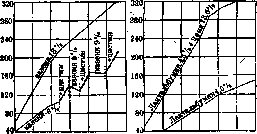
Table 7.
Food material Main protein substances Physiological characteristics: Milk (Casein, Albumin - Complete); Cheese (Casein - Complete); Egg (Egg albumin, Ovovitellin - Complete); Meat (Albumin, Myosin - Complete); Wheat (Gliadin, Glutenin - Lacks lysine); Soy beans (Glycinin, Legumelin - Complete); Corn (Zein - Incomplete); Pea (Legumin - Lacks lysine and tryptophan; incomplete); Beans (Phaseolin - Incomplete); Gelatin (Gelatin - Lacks tryptophan, tyrosine, cystine (traces?); incomplete).
Figure 3. Growth of rats on casein (18% ration) and the same with % casein with and without the addition of cystine. Figure D. Growth of rats on a ration with 4.5% lactalbumin and the same with the introduction of 13.5% cystine into the ration (Fig. 4); in this case, the quantitative deficiency of the amino acid components of lactalbumin was replenished by the components of cystine taken in a larger amount, which as a result yielded a combination satisfying the organism (quantitatively and qualitatively). From this follows an important practical conclusion—the mandatory variety of proteins in the daily human diet, achieved by introducing into the daily menus the largest possible number of different protein-containing products. This is also advantageous because with a variety of proteins in food we can somewhat reduce the content of high-value protein carriers, replacing part of them with a combination of less valuable ones (similar to how it was in the experiment just described). Thus, it is sufficient to have complete proteins of animal origin in the diet in the amount of one-third of its total protein mass (Figs. 3 and 4). The problem of fat in nutrition. Regarding the nutritional value of fat, see Fats. Many regard the fat components of food simply as carriers of "concentrated" energy (the heat of combustion of fat is 9.1 cal., of proteins and carbohydrates—4.1 cal.), and therefore an increase in the carbohydrate components of food at the expense of fat components is often permitted (according to the isodynamic calculation). Certain considerations would seem to defend such practice. Thus, according to the experiments of Osborne and Mendel (1920), rats receiving only traces of fat in their food grew normally and were just as well-nourished as control rats receiving a large amount of fat. Farm animals, as is well known, tolerate a very low fat norm in their rations without disruption of vital activities; the increase of fat in their organism proceeds entirely at the expense of non-fat parts of food (mainly carbohydrates). In addition, it is pointed out that humans quickly become accustomed to consuming very large amounts of carbohydrates, and on the other hand, carbohydrate-rich food is significantly cheaper. However, a number of circumstances argue against too significant reductions in the human fat ration. Fat-free diets are inevitably more voluminous, which burdens the intestine and reduces the assimilation of food. The presence of fat, as is known, gives a more tangible feeling of satiety, probably due to the longer stay (under the influence of fat) of food in the stomach. In addition, a low fat level in the diet makes the latter significantly less tasty, quickly cloying, and ceasing to stimulate appetite. It often happens that a prolonged absence of fats in food causes aversion to it, even in the presence of a general feeling of hunger. In addition, fats are carriers of lipoids (see Metabolism—Fat metabolism). On the other hand, food fats, possessing significant chemical inertness, can quickly pass into depots without undergoing intermediate metabolism processes, and thus increase the reserve of potential energy in the body. True, fat for this purpose can also be obtained from other organic substances of food—carbohydrates and proteins—however, for this synthesis, the latter substances must go through a complex path and lose some part, albeit a small one, of their inherent energy. As energy carriers, fats do not show differences depending on their origin from plant or animal food sources, but with regard to digestibility, it is noted that plant fats (oils), as well as milk fat, margarine, and low-melting animal fats, are digested equally well. High-melting fats of certain animal species, e.g., mutton tallow, are inferior to them in this respect. However, in matters of fat assimilation, the amount of fat in the food plays a major role; with very fatty food, any fat is assimilated much worse. As for the amount of fat in the food, in view of all the above considerations, great attention should be paid to the human fat ration (see Fats). Carbohydrates complement the calorie content of the human ration after proteins and fats. Most people are not accustomed to consuming large amounts of fat, and carbohydrates make up a significant percentage in all food rations (60–70% by calorie content). In the inhabitants of the far north (e.g., Eskimos), carbohydrate consumption is insignificant due to the nature of their nutrition (consumption exclusively of animal food); conversely, inhabitants of hot and temperate regions, feeding predominantly on plant foods, consume a large amount of carbohydrates. Carbohydrates are ingested by humans mainly in the form of starch. The slowness of the digestion of the latter creates conditions for the gradual penetration into the blood of its enzymatic breakdown product—glucose, due to which the glycogen function of the liver is performed without strain despite significant starch consumption during the day. Conversely, the consumption of large amounts of sugar, due to the rapidity of its absorption, can overload the barrier work of the liver and cause alimentary glucosuria. In addition to starch, a person consumes a certain amount of sugar per se (sucrose) or in the form of sugar products and sugary natural products (sweet fruits), where besides sucrose we encounter other sugars—glucose, maltose, etc. In milk, a person consumes lactose, and in the form of honey—inverted sugar (mainly) with an admixture of sucrose and other organic compounds. The consumption of sweet products, dishes, and sugar per se has a certain hygienic significance, as it enhances the pleasant taste of dishes and expands the boundaries of various combinations in food preparation. The enormous consumption of sugar by humans indicates the significance acquired by this product in dietary regimens. If the organism consumes more nutrients than required by its needs, the excess of absorbed substances passes into the corresponding depots, or is thesaurized (see above): fat is deposited in adipose tissues (omentum, muscle perimysium, subcutaneous adipose tissue, etc.); carbohydrates—in the liver and muscles in the form of glycogen (though a little of the latter is also found in other tissues); protein depots are mainly muscles, then the liver, and probably other tissues; the mineral depot is bone, as well as other tissues, e.g., muscles, as they, increasing the mass of organic materials in themselves in the order of assimilation, are forced to take a corresponding amount of various mineral elements. However, all depot tissues except adipose are relatively small-capacitated and fill up rather quickly with the deposited material. Upon the onset of such a moment with respect to mineral elements, the excess of the latter will simply be excreted from the body by the corresponding excretory organs (kidneys, lower intestine, etc.), while proteins and carbohydrates will be converted into fat. That such a transformation actually takes place was irrefutably proven in its time by physiological experiments (Cremer, Bogdanov, and others), as well as the practice of animal husbandry [fattening for fat by means of protein food (e.g., casein) or carbohydrates]. Carbohydrates also include fiber (cellulose) of plant tissues. Usually, it is not considered a nutrient because it is not subjected to digestion in the intestine. However, under the influence of part of the intestinal flora (mostly Bacillus cellulosae dissolvens), fiber ferments (methane fermentation), resulting in gases (CH4, H2, and CO2) and a number of organic acids (acetic, butyric, lactic, etc.), which are absorbed as nutrients (energy carriers). This process in herbivores proceeds on a large scale and has practical significance for nutrition. In humans, fiber fermentation, generally speaking, is small and is not taken into account in nutrition. However, it should be said that a whole series of vegetables and fruits, passing through the intestine, lose a significant amount of their fiber: potatoes—76.5%, carrots—66.2%, grapes—42.8%, various beets—82–84%, cabbage and celery—55.8%, mixed plant food—75% (König). If during fiber fermentation not all carbon and hydrogen pass into gases, but soluble organic substances are also obtained (see above), such a reduction of food fiber in the intestine can be attributed (to a certain extent) to the act of digestion. The fiber group also includes bodies called hemicellulose, which are widespread in plant nature. They are capable of swelling in water and, together with fiber, act on the intestinal wall, stimulating peristalsis; therefore, the presence of fiber and hemicellulose in food has great hygienic significance. A representative of hemicellulose is agar-agar, the use of which as an anti-constipation remedy is well known. The fiber of vegetables and fruits, unlike that of cereal products, upon its action on the intestine does not cause harsh irritations and can be consumed with benefit in large quantities. The problem of mineral nutrition. Losses of mineral elements through sweat, lacrimal secretions, feces, urine, secretions of the nasal mucosa, secretions of the genital organs, etc., must be replenished by food. The presence of mineral depots (skeleton, etc.) ensures the normal level of mineral elements in the blood even with very significant fluctuations in their content in food.
Determining human requirements for various mineral elements has been the subject of special research by many authors. It has turned out that a number of circumstances can influence the magnitude of this requirement, so that the body's losses of each individual element are not always constant; of great importance, besides the absolute content of mineral elements in food, is their ratio to one another, the presence or absence of vitamins, the amount of water drunk, and a number of other factors—such as work, age, and so forth, the study of which has been carried out, so to speak, in a first approximation. Therefore, we must consider that the human requirement for mineral elements established by American physiologists (Sherman et al.) concerns only three elements (Ca, P, and Fe) and is properly only provisional (see Metabolism - Mineral metabolism). When drawing up dietary rations and evaluating them in terms of their mineral composition, we encounter a very great difficulty in that we do not have strictly established data on the mineral composition of our foodstuffs and have almost no data whatsoever on the composition of their digestible part. Literature data (and moreover foreign data) do not present a uniform picture, and by using different sources, one can obtain very different results in the characterization of a ration. This circumstance was emphasized in due course by the Institute of Nutrition Physiology in Moscow, where material was collected illustrating the significant fluctuations in figures given by different authors for the same product. Thus, for example, in rye flour we have, according to Sherman, 18, according to Berg, 13, according to König, 3 mg% (i.e., per 100 g of the initial product); for buckwheat flour the same sources give: Fe - 1.2–14–19, Mg - 48–88–116 mg%. It is quite obvious that for the USSR a specially compiled table of the mineral composition of domestic products is necessary so that physicians monitoring the quality of nutrition can use suitable material to judge the amount of mineral elements consumed in a given menu. In the absence of such a table, it is more correct to use for the time being the data of Sherman (USA), who owns much work on mineral metabolism and in whose hands was a large amount of material. According to Sherman's data, the adult human requirement is Ca — 0.68 g, P — 1.32 g, Fe — 15 mg pro die, which per 1 kg of weight per day amounts respectively to 9.7; 17.4; 0.2 mg. German hygienists (König) give different numbers: Ca — 1.0–1.5 g, P — 0.84–1.29 g, Fe — 20–30 mg. Investigations of American rations have yielded the following fluctuations (per person per day in g): Table 8. Fluctuations... When evaluating human dietary rations, attention should be paid to Ca, P, and Fe, since the deficiency of these elements can manifest itself soonest. The products richest in calcium are the following (in mg per 100 g of initial product): cheese — 931, common walnut — 287, dry beans — 160, egg yolk — 137, cauliflower — 123, and milk — 120 mg (fluctuations of Ca from 931 to 120 mg, i.e., from 1.4 to 0.2 of the daily dose). The products richest in phosphorus: cheese — 683, egg yolk — 524, whole wheat — 423, dry peas — 400, oatmeal — 392, walnut — 354, millet — 327, corn — 283, buckwheat flour — 226, meat — 215, whole egg — 180, whole-grain bread (wheat) — 175, rye bread — 148 mg (fluctuations of P from 683 to 148 mg, i.e., from 0.5 to 0.1 of the daily dose). The products richest in iron: lentils — 8.6, egg yolk — 8.6, dry beans — 7.0, dry peas — 5.7, walnut — 4.1, spinach — 3.6, lean meat — 3.0, egg — 3.0, whole wheat flour — 2.5 mg (fluctuations of iron from 8.6 to 2.5 mg, i.e., from 0.6 to 0.17 of the daily dose). The products richest in sulfur: lentils — 227, cheese — 263, lean meat — 230, dry peas — 219, dry beans — 215, dry peaches — 212, oatmeal — 202, pearl barley — 120, walnut — 198 mg (fluctuations of sulfur from 277 to 198 mg, i.e., from 0.2 to 0.15 of the daily dose, if one considers such to be 1.3 g). The products richest in magnesium: millet — 167, dry beans — 156, peas — 149, walnut — 140, corn — 121, oatmeal — 110, lentils — 101 mg (fluctuations of magnesium from 167 to 101 mg, i.e., from 0.5 to 0.3 of the daily dose, if one considers such to be 340 mg). The products richest in potassium: dry beans — 1,229, dried plums — 1,030, dry peas — 903, lentils — 877, raisins — 820, spinach — 774, walnut — 618, rye flour — 465, potatoes — 429 mg (fluctuations of potassium from 1,229 to 429 mg, i.e., from 0.4 to 0.1 of the daily dose, if one considers such to be 3,390 mg). Among the bioelements of great importance, but whose content in the human body and food is very small, the first place in importance is occupied by the halogens—iodine and fluorine (J, F). The latter is a necessary part of bones and teeth, while the former is concentrated mainly in the thyroid gland (see Iodine). The prolonged absence of iodine in food, or perhaps the prolonged consumption of food with a very low content of this element, causes major complications in the function of the thyroid gland, externally expressed in an increase in its size (simple goiter) (see Goiter). Table 9. Iodine content in food products (in mg per 1 ton of dry product) (according to Sherman). Areas where there is no endemic goiter: Products, Iodine content. Wheat..., Wheat..., Oats..., 3.5, Carrots..., Salmon..., Salmon..., Salmon..., Fox..., Goat's milk... Areas with endemic goiter: Products, Wheat..., Wheat..., Oats..., Bran..., Spinach..., Carrots..., Apples..., Pears..., Butter..., Skimmed milk...
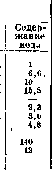
The role of vitamins in human nutrition is still little elucidated despite the topicality of the theme and the colossal abundance of work in this field. It has long been established that man is subject to all types of avitaminoses, and the latter can occur not only in the form of acute, well-studied, so-called classical forms, but also in the form of chronically proceeding diseases or even in the form of a long-running latent phase manifesting itself by very vague symptoms, which can be diagnosed with certainty as avitaminoses only after successful therapy with the corresponding vitamin. Based on the clinic of experimental animals, we can say that such a latent state is the consequence not of the complete absence of vitamins in food, but merely of a decrease in their content below a certain level of minimum requirement. If pathological conditions caused by the complete absence of vitamins are called avitaminoses, then the consequences of prolonged reduced vitamin intake are called hypovitaminosis.
Therefore, two major practical questions currently face us: 1) determination of man's quantitative requirement for vitamins, 2) quantitative evaluation of various food products as vitamin carriers. For the solution of the latter question, we now possess sufficiently well-developed methods allowing more or less precise quantitative determination of the vitamin content in food products; as for human requirements for one or another vitamin, the quantitative side of the question is still far from its resolution. Vitamin A, the so-called anti-ophthalmic vitamin, which in its chemical nature belongs to the sterols, is relatively easily oxidized, especially with the access of O2 under heating conditions. Its absence—see Avitaminoses, A-avitaminosis. The question of comparing the vitamin activity of different food products has been developed quite satisfactorily through a special methodology. It reduces to the following: young healthy rats of one month of age are fed a diet not containing vitamin A, but adequate in all other respects; they are divided into groups such that each group contains 1–2 animals of the same litter. A specific dose of the studied product is introduced into the food mixture of each group in order to establish at which dose the effect of vitamin A appears in such a way that the weight gain becomes approximately equal to 3 g per week; the dose giving such an effect is considered to contain a unit of vitamin A. Then it is easy to calculate how many such units are contained in 1 kg of the product. In Table 10, a number of staple products thus receive a corresponding evaluation according to vitamin A content. Table 10. Number of units of vitamin A per 1 kg of product. White wheat flour ... Whole milk ... Green beans ... Beef fat ... Green peas ... Tomato (raw and canned preserves) ... Celery (green leaf) ... Butter ... Carrot ... Cheese (hard variety) ... Fresh spinach ... Egg yolk ... Eggs ... Egg white ... Cod liver oil ... Lemon ... Beet ... Boiled potato ... Olive oil ... Canned beans ... Apples ... Raw lean meat ... New cabbage raw or boiled ... The same aged ... Cauliflower ... Grape 550–770 ... Orange juice ... Lettuce 1,650–6,600 ... 2,200 ... 3,520 ... 5,500 ... 5,500–7,700 ... 5,940 ... 6,600 ... 17,600–48,400 ... 22,000–66,000 ... 22,000 ... 55,000 ... 59,400 ... 19,800 ... 176,000 and more. It is easy to imagine that if cod liver oil is prescribed to children at 10 g per day, which makes in round numbers about 2,000 units, then an equal amount of carrots will make 30–100 g (variations probably depend on the variety and degree of aging, and perhaps also on the soil regime of the plant). However, such calculations require very great caution, because samples of cod liver oil have very different activity, and the standard for this product (mandatory for the pharmacopoeia of some countries) has been developed only recently. Vegetable oils (like olive oil) have an insignificant vitamin A content. With a low content of vitamin A in food, a person may develop a state of hemeralopia (night blindness), which must be regarded as a manifestation of vitamin A hypovitaminosis. It was often observed among prisoners (in concentration camps), during prolonged sea voyages, among coolies and soldiers of China, India, and Japan; during the World War, the disease was widespread in Romania among children, in Vienna, etc. In all the enumerated cases, the appearance of hemeralopia was caused by a low fat content in the food, as well as dairy products and certain vegetables. The influence of vitamin A on the growth and well-being of the organism is illustrated by experiments from which it is seen that following an increase in the dose of the vitamin carrier, there is also an increase in the effect of its action. This allows us to make a practical conclusion about the desirability, especially in child nutrition, of a higher level of vitamin A. It should be remembered that vitamin A is capable of being deposited in the tissues (especially adipose tissues) of the organism, and therefore it is necessary to strongly recommend to pregnant women the consumption of a larger amount of food products rich in this vitamin, in order to thus raise its content in the body of the mother and fetus, thereby ensuring the success of the development of the new organism before, and partly also after birth. For vitamin A to be transmitted through milk, it must be present in the mother's food in some excess; observations show that at certain insufficiently high levels of vitamin A in the mother's food, newborns using her milk gradually developed vitamin A avitaminosis, while the mother herself was completely healthy in this regard. That the vitamin A content in milk entirely depends on food is seen from studies of cow's milk for vitamin A: summer milk from cows receiving fresh pasture feed has a lot of vitamin A, while on dry feeds in winter time, vitamin A may be completely absent.
The vitamins of the B group, although relatively well studied, nevertheless the question of the magnitude of the human requirement for them is very little developed. At the present time, one should also re-examine the old data concerning the content of vitamins of this group in food products, because previously the comparison of the activity of any vitamin carrier usually proceeded through observations on the growth of young animals (rats) at different doses of this vitamin carrier. The amount of vitamin contained in the dose of a food product that maintains the weight of a standard animal (starting from one month of age) for 8 weeks at the same level was taken as a unit. Obviously, with such a methodology, they experimented with vitamin G (B2), while the content of other vitamins of this group was not checked here, whereas the concentration of each of them in various vitamin carriers is far from identical, so the determination of one of the components of the group does not indicate the content of another. Thus, for example, chicken white does not possess antineuritic properties at all (no B1 or F), but is rich in the antipellagric vitamin (B2 or G). In individual cases, vitamins B1 and B2 can simultaneously be present in large quantities, for example in baker's and brewer's yeast. Table 11. Number of units of vitamin B (probably more precisely B2) in 1 kg of product (according to Sherman). Onion ... 220, Lettuce ... 330–440, Potato ... 286, Cabbage ... 330–660, Apples ... 220–352, Egg ... 1,320, Orange juice ... 330, Egg yolk ... 1,760, Green beans ...
From the table it is seen that the strongest vitamin carriers are the grains (whole) of cereals and legumes. It should be added that yeast (baker's and brewer's), not mentioned in the table, has an even greater activity, exceeding cereals or legumes by about 10 times in relation to vitamin B, and cereal germs are even more active; thus, rice germs are 2-3 times stronger than yeast. Obviously, to supply humans with vitamins of this group, one must rely mainly on cereal products. It should be remembered that in wheat or rice, B vitamins are concentrated in the membranes and germ, therefore flour prepared with a large percentage of bolting, as well as polished rice, may have no vitamins at all; on the other hand, rye has B vitamins scattered in a certain amount throughout the entire mass of the grain. B vitamins are quite stable and are little lost during ordinary culinary processes involving heating. The prevalence of vitamins of this group in human foodstuffs makes the fight against B-avitaminoses (in the summary sense) relatively easy; pellagra or polyneuritis (beriberi) become ill relatively rarely, only under particularly unfavorable circumstances (one-sided nutrition with foodstuffs poor in the corresponding vitamins for a long time). Anorexia as a certain sign of hypovitaminosis has been well traced by a number of authors on experimental animals (rats, dogs). The appearance of furunculosis is also attributed to a lack of vitamin B (successful yeast therapy). Thus, when compiling rations, attention must be paid to ensuring that menus have more variety; through this, thanks to the combined action of various vitamin carriers, complete satisfaction of the need for all vitamins of this group can be achieved.
Vitamin C, the absence of which causes scurvy, was studied chemically later than others, but it was possible to determine the probable human requirement for it, namely, it can be considered that this requirement exceeds the requirement of the guinea pig (the standard experimental animal) by 16-20 times. The unit of vitamin C is considered to be that amount which is contained in a dose of some vitamin carrier just sufficient (minimum prophylactic dose) to prevent the development of scurvy in a guinea pig for a period of 100 days on a scorbutic diet (control animals on this diet alone die of scurvy within a month).
Table 12. Number of units of vitamin
Watermelon 190, Fresh cherry over 150. *Data marked with an asterisk are from Sherman, the others are from the works of the Institute of Physiology of Nutrition and the Vitamin Department of the Institute of Public Health Nutrition (Moscow). As in the cases of other vitamins, if the vitamin C content in food is below the minimum requirement, hypovitaminosis states may manifest in the form of initial symptoms of scurvy: mild fatigue, paleness of the skin, slight swelling of the gums, which are slightly loose and sometimes bleeding, intestinal disorders, a sensation of pain in the lower extremities, in particular in the knee joint, and so forth. All these are phenomena that are easily attributed to completely different diseases. Comby (1921) states that out of 72 cases of scorbutus (prescorbutus, latent form) encountered by him in children, 90% were incorrectly diagnosed by the attending physicians. The prescorbutic state—vitamin C hypovitaminosis—is also difficult to diagnose in adults. Often, thanks to the patient's complaints of pain in the joints, treatment against rheumatism is undertaken. In this state, a person significantly loses working capacity, as a reluctance to work, a depressed state of spirit, indifference to the surroundings, and so on appear. At the same time, the body's resistance to infections is significantly weakened. All this taken together makes one consider vitamin C hypovitaminosis, given its prevalence (epidemic, endemic), a serious calamity. It is quite obvious that the only useful measure, both preventive and therapeutic, is the consumption of vitamin carriers in an amount corresponding to their antiscorbutic activity. The probable preventive dose of vitamin C for humans, according to what has been said, is 16–20 units per day. Vitamin D — see Vitamins, Avitaminoses, D-avitaminosis. Contrary to the widespread opinion about the poverty of common food products in vitamin D, studies have shown that egg yolks and very many green parts of plants possess antirachitic properties. It is possible to ensure that milk and the fat of our animals will possess such properties (the rational use of antirachitic feedstuffs in animal husbandry is necessary). One cannot fail to pay attention to the fact that an excess of carbohydrates in diets contributes to their rachitogenicity. It should be remembered that liquid fats (cottonseed, sunflower, linseed, and other oils) lack vitamin D! The use of "fish oil" in the prevention and therapy of rickets requires much greater attention to this preparation than has been the case up to the present time. Vitamin E — see Vitamins. It is found in seeds and green leaves, in the yolk, in cottonseed oil; it can accumulate in the tissues of the animal organism (in muscles, in adipose tissue, less in the liver); there is little of it in milk, which, however, depends exclusively on the nutrition of the lactating animal. It should be noted that sesame, linseed, sunflower, mustard, and almond oils do not contain vitamin E. In view of the wide distribution of this vitamin in nature, it is easy to provide it in human food rations. Judging by experiments with experimental animals, human need for vitamin E is probably very insignificant, and therefore one can hardly fear the appearance of E-avitaminosis in humans. However, similarly to other vitamins, vitamin E probably to some extent exerts an influence on the general state of the organism, and it is very likely that at lower levels of it in food for a long time, vitamin E hypovitaminosis may arise in some form. However, one cannot speak about this definitely at the present time yet. Physiological characteristics of food products and principles of compiling food rations. All our common food products can be divided into the following groups: 1) milk and dairy products, 2) eggs and various meats, 3) cereal products, 4) vegetables and fruits (fruits, nuts), 5) fats and oils, 6) sugar and saccharine products. 1. Milk and dairy products. Milk is characterized by the high physiological value of its proteins, which are easily assimilated at any age and capable of going entirely for the purposes of anabolism both in adult individuals and in growing ones. Added to bread and other cereal products, milk increases their physiological significance by introducing into food lysine and tryptophan, in which cereals (mainly grasses) are poor. Along with this, milk is characterized by a rich calcium content. In terms of phosphorus content, milk is inferior to very many products, approaching white (polished) rice and prunes, and is very poor in iron. The total ash content in milk is also small (about 0.7%). One glass of milk (250 g = 160 calories) contains in round numbers: Table 13. Constituent parts % of daily name quantity requirement Ca 300 mg P 230 » Fe 0.6 » Vitamin A 30–35 g Vitamin B 550 units 82 » (?) about 50 » 20 » 4 *At a ration of 3,000 calories. A comparison of the mineral composition of cow's milk with the milk of other mammals is given in Table 14, from which it is seen that woman's milk is extremely poor in all metals and metalloids, which should be taken into account in the practice of child nutrition (the total ash content of human milk is only 0.2%). Table 14. Types of milk Ca Mg K Na P Cl Fe Cow's milk whole ... 120 12 152 58 93 119 0.24 Goat's milk ... 137 18 175 48 123 160 — Mare's milk ... 93 11 106 53 71 108 — Sheep's milk ... 193 18 142 41 131 104 — Human milk (in mg per 100 g of product) 33 5 51 30 43 47 0.21 (The table values in the original OCR were slightly misaligned, but the data represents standard comparative milk mineral content.) The content of vitamins in milk is subject to large fluctuations and depends entirely on the type of food of the lactating organism. By rational feeding of dairy cattle, one can very significantly raise the vitamin content in milk. Unfortunately, commercial milk has relatively few vitamins for the greater part of the year, and vitamin B is sometimes completely absent from it. In one glass of milk, according to Sherman, there are 550 units of vitamin A, which can correspond in activity to 25 g of raw carrot, 10 g of spinach, approximately half an egg (30 g), 90 g of raw tomato, 200 g of beef tallow, 10–30 g of butter, 1,000 g of apples. It is obvious that in terms of the content of this vitamin, milk occupies an intermediate position. 1 glass of milk contains 80 units of vitamin B, which is equivalent to 45 g of yolk or 120 g of spinach. As an antiscorbutic product, milk for the most part has weak activity, but also fluctuating within wide limits from 11 to 55 units per 1 L. To increase the antirachitic properties of milk, attempts were made in various ways: the product itself was illuminated with a quartz lamp, the lactating animal (cow) was illuminated with it in order to cause an excess of vitamin D in its body, passing into the milk. At present, great importance is attached to attempts to feed cows with some food product enriched with respect to vitamin D by prior ultraviolet irradiation (for example, irradiated yeast). Which method will give the greatest economic and physiological effect will be shown by the near future. With regard to group B vitamins, milk has a rather low activity, approaching weak vitamin carriers. The significance of milk as a vitamin carrier of this sort, however, increases in comparison with other products close to it in activity, such as cabbage, carrots, apples, green beans, meat, lettuce, and potatoes, since it is impossible to eat as much of these products as one can drink milk in a day. American hygienists, drawing attention to the very high calcium content in milk, to the good assimilation of all its organic constituents, and to the possibility of consumption in large quantities even by small children, consider this product an obligatory element of any table. Taking into account the comparatively low content of mineral elements and vitamins, they recommend (as a slogan) the consumption of no less than "one pint of milk" (0.568 L) by adults and 1 quart (2 pints) by children. Cheeses, depending on the variety, have a very different protein composition—from 40% to 15%, fats (in inverse relation to proteins)—from 2% to 35%, and caloric content—from 180 to 420 calories (numbers rounded). Due to the low water content (40–50%), cheeses are concentrated sources of protein, resp. fat, while retaining all the high biological properties of milk proteins. The mineral composition of cheeses probably changes in connection with the variety, but how large these changes are is difficult to say for lack of concrete data. Sherman's lists give many varieties of cheese, differing in the content of organic substances, while the mineral composition is indicated for cheese without designation of variety: Ca—931 mg, Mg—37 mg, K—89 mg, Na—606 mg, P—683 mg, Cl—880 mg, S—263 mg, Fe—1.3 mg in 100 g of product. Except for K, all these elements increase their concentration in comparison with milk. There is no vitamin C at all in cheeses, vitamins B are either absent or very little, vitamin A depends on the variety, on the fat content, as well as on the richness of the initial product in this vitamin. The literature describes cheeses with strong, medium, and weak activity regarding vitamin A. 2. Eggs and various meat products. Eggs and meat in terms of their significance in nutrition are considered as carriers of proteins of high physiological value, and the ability of these proteins to support the growth of animals is beyond doubt.
In terms of protein content, eggs stand somewhat lower than average meat, and somewhat higher in fat, while the caloric value of these products and the total ash content in them are approximately the same. Compared to milk, both of these products are richer in protein and agar, but milk has a specific carbohydrate, lactose, which is not found anywhere else. In terms of calcium content, eggs are twice as poor as milk, but on the other hand, they are twice as rich in phosphates. The egg yolk is a rich source of vitamins A, B, and D. Egg white is high in vitamin B2 (the antipellagra factor) and completely lacks B1 (the antineuritic vitamin). Regarding other parts of the animal organism besides the meat itself used in nutrition, such as liver, kidneys, heart, and brain, their composition regarding the main nutrients differs little from meat; only their ash content (except for the heart) is more than 1%, and the caloric value, as in meat, depends on the fat content in them. All these organs are characterized by a large amount of nucleoproteins (corresponding to their richness in nuclear matter), sterols, and phosphatides, but they are poorer in extractive substances found in muscle tissue. The biological significance of the proteins in these organs is very great. They are also rich in vitamins A, B, and even C (the liver is considered a depot of this vitamin). Meat, for its part, is characterized by an abundance of potassium, phosphorus, and sulfur. The last two elements make meat especially valuable from the point of view of mineral nutrition; only legume seeds can compete with it in this respect. In terms of phosphorus and sulfur, meat resembles cereals, while its iron content is the same as that of an egg. The composition of the egg yolk is extremely peculiar: it contains more calcium than milk and a very high amount of phosphorus (the foodstuff richest in this element!), with only dry legumes being somewhat close to it. The yolk also contains a very large amount of iron, so that two yolks can cover the entire daily requirement of an adult for this element. For the chemical composition of meat, see Meat. A feature of meat is the presence in it of a number of extractive substances (nitrogenous), which pass into the broth during the cooking of meat and contain up to 15% of total nitrogen (non-protein nitrogen); their composition includes: creatine, creatinine, nucleic bodies, sarcosine, etc., which enhance the secretion of gastric juice and have an excitatory effect on the nervous system, hence the restorative significance of meat decoctions (strong broths). Like cereals, meat is poor in vitamins A and D (the muscles proper); in vitamin B content, it is close to milk and significantly inferior to cereals (whole). There is no vitamin D in meat. The egg yolk is a rich source of vitamins A, B, and D, and according to American data (M. Rose), a single yolk daily can fully protect children from rickets during the winter months. Egg white is high in vitamin B2 (the antipellagra factor) and completely lacks B1 (the antineuritic vitamin). 3. Cereal products—chemical composition and caloric value—see Flour, Groats. The protein of these products is not complete in its main mass, as it has low digestibility, especially in legumes, and most importantly, it does not contain a full complement of amino acids. By virtue of this, the protein of these products, even when given in large quantities, cannot support the growth and development of organs to the same extent as proteins of animal origin; the addition of the latter to cereal products, even in small quantities, makes the food completely adequate regarding its protein part. From this follows the most important rule of nutrition—the mandatory consumption of mixed flour-milk or flour-meat (egg) food. In terms of fat content, cereal products are poor, resembling in this regard (in a dry state) somewhat whole milk (corn and oats) or semi-skimmed milk (rye, wheat). These products are very rich in carbohydrates. Regarding mineral composition, cereal products show great differences among themselves, and a general characteristic for them can be considered: firstly, that all of them have an insignificant amount of calcium (from 45 to 50 mg% in whole wheat and whole-wheat bread, and up to 14 mg% in millet), which puts cereals on the same level as a significant majority of fresh food products, including meat, and opposes them to cow's milk (120 mg% calcium), certain legumes (peas, lentils, beans—84–160 mg%), egg yolk (137 mg%), nuts (287 mg%), and cauliflower (123 mg% calcium); secondly, that in the majority of cereals (also in contrast to milk, yolk, and cauliflower) magnesium is either equal to calcium or greater, with magnesium significantly prevailing over calcium in some (e.g., in millet, it is more than 10 times greater!); thirdly, the sulfur content fluctuates within relatively narrow limits—100–200 mg% (with the exception of rice—41 mg%). Regarding iron content, among cereals, wheat stands out sharply (whole grain with 5 mg%, whole flour with removed germ—2.5 mg%, and oats—3.8 mg%). Legumes (dry) are even richer in iron—5.7–8.6 mg%. When compared with meat (with a protein content of 20%), it is seen that some cereals approach it in iron content (e.g., corn, oats, whole wheat flour), while others (the majority) are much lower; conversely, legumes are significantly richer in iron than meat, as well as in sulfur; it should be noted that the digestibility of ash elements is generally lower than that of organic substances, and is approximately the same for products of both animal and vegetable origin. In terms of vitamins, cereal products, even natural ones, are very poor in vitamin A; if it is present, it is only in the germ part, together with vitamin B. Conversely, these products are very rich in B-group vitamins. Vitamin C is absent in dry grains, but appears in noticeable quantities upon germination. According to the data of the Sverdlovsk Institute of Nutrition (Gryaznov), 150 g of sprouted legumes (peas, beans) is more than sufficient for the treatment of scurvy. Vitamin D is also absent or scarce in seeds. 4. Vegetables, fruits, and nuts. Vegetables (chemical composition, digestibility, and caloric value)—see Vegetables. Vegetables can be considered valuable carriers of mineral elements in food. The content of these elements in vegetables is, however, also not uniform; for the majority, the fluctuations are the same as in cereals; cauliflower stands out in calcium content with 123 mg% (like milk!), dandelion (leaves) with 106 mg%, and spinach with 67 mg%. In potassium content, the majority also resembles cereals (dry)—100–300 mg%, and just as rye and whole wheat contain above 450 mg% of potassium in cereals, here too potatoes and dandelion reach this level, and spinach reaches up to 774 mg% (approaching legumes). In terms of phosphorus and sulfur, vegetables are extremely poor (lower than milk). Regarding iron, the differences here are very large; thus, spinach has as much iron as oats (3.6 mg%), and dandelion can compare with whole wheat flour (2.5 mg%). The rest, although they do not rise to such concentrations of iron, nevertheless give numbers frequently encountered in cereals (1.3–0.6 mg%); however, tomatoes and cucumbers are very poor in iron (0.4–0.2), similar to milk. It is difficult to give a general characterization of the vitamin content in vegetables. From the previously cited data, it is evident that in relation to vitamin C, cabbage, potatoes, tomatoes, spinach, and radish have high activity, while in relation to vitamin A, among vegetables there are representatives of outstanding activity, for example, carrots and spinach. B-group vitamins are represented here in medium concentration; they seem to be most abundant in spinach, while others can be compared in the content of these factors to milk or meat. Fruits have enormous physiological significance. Besides the fact that they contain a certain amount of sugar (9–18%) (other organic substances in small amounts), they must be regarded as flavoring substances of high value, allowing a very significant improvement in the organoleptic properties of the menu. In addition, fruits, like vegetables, contain fiber (mostly 1–5%, although some, like cherries, have 0.3%), which is very delicate, has a corresponding effect on peristalsis, but does not cause sharp irritation of the intestine. There are not many mineral elements in these products; however, it should be noted that they have more iron than milk (mostly 0.3–0.6 mg%, and in currants—0.8 mg%, in blueberries—0.9 mg%). In potassium content, they resemble white bread, eggs, buckwheat groats, etc. Vitamins are distributed very unevenly in these products. Some of them, such as oranges, lemons (some), cloudberries, black currants, possess very strong antiscorbutic activity; in oranges, apples, plums, grapes, pears, etc., the vitamin B content corresponds to that of milk. In terms of vitamin A, fruits have weak activity. Nuts are consumed in small quantities, mostly as a delicacy (with us, at least) and cannot be classified as staple foods.
However, it should be noted that in terms of protein content, some of them approach meat (12-21%), in fat content they can compete with fatty cheeses (50-70%), they have 3-4% fiber, quite a lot of ash—about 2-4%, moreover, in calcium content they surpass milk, in phosphorus they approach legumes (350-465 mg %), they are very rich in sulfur (160-200 mg %), like eggs; they have about 4 mg % of iron (similar to oats and spinach). The content of vitamin B in nuts is medium, of vitamins A and C—weak. 5. Fats and oils. Sources of fat in human food, besides fatty grades of meat (fatty mutton, for example, contains up to 30% fat, pork—35%) and fish (for example, eel—28%), are butter and clarified butter, beef, pork, mutton, and other types of lard, vegetable oils (sunflower, hemp, linseed, cottonseed, mustard, etc.). A specially "medical" fat is the so-called "fish oil" (fat of cod and other fish, recently also of marine mammals). The digestion of fats eaten in habitual amounts proceeds equally well regardless of the origin of the fat. The carriers of lipo-vitamins are practically only fats: butter (A, a little B) and fish oil (A and D). Margarine does not contain vitamins or contains only their traces. 6. Sugar and products made from it. The sugar consumed by us in food is a carbohydrate, a disaccharide obtained from sugar beet. Being refined (refined sugar), it contains only a very small amount of water, being thus almost a 100-percent carbohydrate. Other types of sugars (maltose, malt sugar) are found in the so-called malt extract, man consumes lactose with milk. A number of hexoses (monosaccharides)—glucose, fructose, and others—are part of the carbohydrates of sweet fruits and honey. On the significance of sugar see above (carbohydrates). Every well-composed ration (adequate diet, according to the terminology of American authors) must have proteins of not less than 1.5-1.8 g per day per 1 kg of body weight for average work, with a further increase to 2 and even 2.5 g for heavy and very heavy work (in the energy sense). 1/3 of these proteins must be of animal origin. The total calorie content of such a ration must correspond to the given profession. The amount of fat is 50-150 g and more depending on the heaviness of work. In addition, the ration must have all vitamins in the largest possible amount (in the form of natural vitamin carriers) and also contain a sufficient amount of fiber to stimulate bowel movements; mineral elements must be represented in the food in a complete set; since, however, human requirement has been determined—and that only provisionally—only in relation to Ca, P, and Fe, these elements must be in the ration in established amounts; however, attention should now be paid to the amounts of other elements, especially S, avoiding their prolonged depletion in food. When composing food rations, one of the greatest difficulties is the question of the ratio of food products to each other. Tab. 15. Cereal products . . . . . . . . . . . . 40-20% Milk . . . . . . . . . . . . . . . 18-16% Vegetables and fruits . . . . . . . . . 12-20% Fat products (butter, lard, etc.) . . . . 12-18% Sugar and sweets . . . . . . . . . . . . 8-16%
Taking into account only the just formulated guidelines, American authors consider the distribution of food products in food at average work (about 3,000 cal.) indicated in tab. 15 to be suitable. German hygienists (König) give "norms" under different working conditions, given in tab. 16 (p. 90). B. Lavrov. III. Significance of dietary regimens in pathology. The profound effect of the dietary regimen on metabolic processes in tissues is responsible for the variety of pathological states that are associated to one degree or another with improper nutrition. In a number of diseases, an irrationally constructed dietary regimen can, along with other factors (labor and living conditions, constitutional features), influence the manifestation of disease symptoms and the course of the disease. Numerous clinical observations, including those of the very latest time, undoubtedly testify to the influence of the nature of nutrition on the course of the tubercular process. Landouzy and M. Labbe showed that among the tubercular patients examined by them, the overwhelming number of patients were nourished incorrectly in terms of quantity or qualitative composition of food. Studies by Ratbery established that excessive introduction of nitrogenous substances in tubercular patients worsens the course of the process, prevents weight gain, etc. Numerous studies have established the effect on the manifestation and course of the tubercular process of a lack of certain vitamins, iron salts, calcium, various amino acids ensuring the plastic processes of the organism. Finally, recently a number of authors associate spring exacerbations of the process in tuberculosis patients with a vitamin deficiency.
Modern research also indicates that a number of pathological changes in the cardiovascular system are associated with the nature of the dietary regimen. Thus, Romberg showed that a decrease in the functional capacity of the heart can be the result of protein starvation in a cardiac patient. Anichkov discovered in animals, following excessive nutrition with fats or substances containing cholesterol, changes in the vascular intima similar to changes observed in humans with arteriosclerosis. Phenomena of sharply expressed arteriosclerosis on the basis of unbalanced nutrition were also observed in animals by Ignatovsky and Stukey. Strasser discovered the effect of the nature of nutrition on blood viscosity. Feeding experimental animals a diet rich in cholesterol (egg yolks, etc.) results in an increase in blood pressure (Fahr, Westphal, and others). Skulsky and Haensslen showed that as a result of unbalanced, improper nutrition (overload with animal proteins), sharp pathological changes occur in the capillaries (phenomena of stasis, irregular capillary shape, etc.). In numerous works by a number of authors, thickening, necrosis, and degenerative changes in the vascular intima were obtained in experiments on rabbits with excessive protein nutrition. Improper nutrition undoubtedly sharply worsens the course of various kinds of disorders of the cardiovascular system. In the field of pathology of the endocrine system, there is also undoubted evidence of pathological changes caused by the effect of improper nutrition on the endocrine glands (Biedl, Zondek, and Dellinger) (see also Obesity). Proof of the influence of improper nutrition on the function of the endocrine glands is thyroid diseases based on an insufficient water content in food. In particular, this has been shown in relation to the function of the sex glands (amenorrhea, sexual weakness). As regards the field of skin diseases, here too there is evidence of the presence of a number of pathological changes in the skin associated with improper nutrition. Modern research by Urbach's school, indicating that a number of chronic skin diseases arise on the basis of improper nutrition, is very characteristic proof of the profound impact of improper nutrition on the organism. Klauder and Brown discovered decreased skin excitability under inadequate nutrition. Schiff and Kramar observed a sharp decrease in skin turgor with excessive protein supply and insufficient fluid intake. The intensity of the Pirquet reaction, as Fornet managed to show, largely depends on the state of the acid-base balance of the skin. The result of insufficient, unbalanced nutrition can be the development of acne cachecticorum, nail dystrophy (Urbach), hair loss, and the appearance of alopecia. Predominantly carbohydrate nutrition in children can lead to the development of furunculosis and hydremic forms of skin lesions (Urbach); excessive introduction of NaCl leads to increased skin sensitivity, hair loss, increased secretion of the sebaceous glands, and the appearance of weeping eczema (Schultz). According to Kuipers, a lack of vitamin A in food can lead to the development of seborrheic eczema in children, while Sharples points to easy infection of the skin with a lack of vitamin B in the diet. Observations carried out in the Clinic of Therapeutic Nutrition indicate a significant effect in a number of chronic skin diseases from appropriate therapeutic nutrition. The clinic is well aware of the facts of the influence of monotonous and vitamin-poor food on the manifestation and course of various kinds of skin diseases (e.g., dry skin, furunculosis, erythema, etc.). According to the research of a number of authors, improper nutrition (an excess of animal proteins, extractive substances, a lack of vitamins and a number of mineral salts) can cause a number of pathological phenomena on the part of the autonomic nervous system. According to research carried out in the Clinic of Therapeutic Nutrition, excessive carbohydrate loading, especially with simultaneous insufficient introduction of vitamins into the diet, is a factor that worsens in a significant percentage of cases the course of various arthritis (rheumatic, infectious, tuberculous, deforming arthritis, etc.) and at the same time a factor causing in a number of cases, along with other factors (cooling, functional load on the joints), the appearance of relapses of the disease. Along with these data concerning the role of improper nutrition as one of the factors which, along with others, can undoubtedly influence the manifestation of the pathological state of the organism and the entire course of the disease, there are pathological states of the organism in the development of which improper nutrition is the direct cause of the disease. This should include first of all a number of diseases of infancy and childhood (dystrophies in artificial feeding in infants, various dyspesias in children on the basis of unbalanced and excessive nutrition, Barlow's disease, anemia, insufficient growth, etc.). The absence or deficiency of various vitamins in the diet leads to a whole series of characteristic disorders (see Avitaminoses). Along with avitaminoses, easily reproducible in animal experiments, states of latent avitaminosis or so-called pre-avitaminotic states undoubtedly play a huge role for the clinic. Phenomena of general weakness and anemia, so often observed in convalescents, can be the result of qualitatively inadequate nutrition in the sense of a lack of one or another vitamin in the food. From this point of view, patients who for one reason or another are on diets with a low vitamin content for a long time require special vigilance on the part of the physician. The lack of vitamins in the diet under a number of strict, special dietary regimens can lead to a weakening of the organism, a sharp decrease in appetite, and prevent the restoration of the normal function of individual organs [stubborn diarrhea in politicians undergoing a long-term strict diet poor in vitamins, stubborn constipation and joint pain (Noorden)]. Pre-avitaminotic states can for a long time be expressed only by a number of symptoms on the part of the general state of the organism (general weakness, lethargy, reluctance to work, decreased working capacity, loss of appetite, intestinal dysfunction, etc.). Pathological states of the organism can also be caused by the excessive supply of certain vitamins with food (calcification of the vessel walls, heart and kidney damage in children with excessive administration of vitamin D preparations, described by a number of authors). These data confirm the correctness of the proposition that both insufficient and excessive nutrition can lead to a pathological state of the organism. The result of improper nutrition, both in the sense of unbalanced, insufficient supply of nutritive material to the organism and in the sense of its excessive introduction, is a whole series of deep disorders in metabolism and the functions of various organs (metabolic disturbance in starvation and qualitatively inadequate nutrition, changes in metabolism and function of internal organs with excessive nutrition, the negative impact of excessive nutrition on the course of gout, diabetes, joint diseases, obesity, diseases of the digestive tract, etc.). Of great theoretical interest and enormous practical significance for the clinician are those pathological changes in the organism that are observed with qualitatively inadequate nutrition and can occur with the long-term prescription for therapeutic purposes of individual qualitatively inadequate dietary regimens (regimes of incomplete starvation). These include the development of general weakness, a drop in working capacity (especially in children and adolescents) due to insufficient supply of biologically valuable proteins with food (due to a lack of amino acids necessary for plastic processes), phenomena of acidosis, general weakness with insufficient introduction of carbohydrates, a number of painful disorders associated with the insufficient introduction of fats, various mineral salts, etc. Improper nutrition finally plays an essential role in the development of a whole series of diseases of the digestive tract; this includes the role that nutrition plays in the development of gastritis, colitis, certain liver diseases, alimentary constipation caused by insufficient introduction into the gastrointestinal tract of appropriate food substances that are physiological stimulants of intestinal peristalsis (plant fiber, sugary substances, mineral salts, dishes containing organic acids, a lot of fat, NaCl, etc.). Improper nutrition can prevent obtaining sufficient effectiveness from a number of therapeutic measures. According to research carried out in the Clinic of Therapeutic Nutrition, the unsuccessful use of digitalis in a number of cases becomes effective with the simultaneous use of therapeutic nutrition; the effect of mountain sun therapy in tuberculous arthritis increases under conditions of simultaneous exposure to a corresponding diet.
Studies by a number of authors (Romberg and others) also indicate the possibility of a significant reduction in the degree of the therapeutic effect of various cardiac drugs (e.g., digitalis) when combined with irrational nutrition of the patient (in the sense of the load on the cardiovascular system). An inappropriate nutrition regimen can have a similar effect on therapeutic measures. Studies conducted in Zheleznovodsk (the work of Pevzner, Chechulin, and Levin) indicate a sharp distortion of the secretory effect as a result of an irrational distribution of mealtimes when drinking mineral waters. The same mineral spring, as parallel studies on humans and Pavlovian dogs show, causes completely different dynamics of gastric secretion depending on the nature of the dietary regimen. Herein arises the major problem of the interaction between the influence of the nature of nutrition on the diseased organism, on the one hand, and various therapeutic factors (climatic, balneological, pharmacological, physiotherapeutic), on the other.
G. Levin. IV. Child nutrition. Physiology of child nutrition. The dietary regimen of a child must satisfy the following basic requirements: 1) caloric intake sufficient not only to cover daily "current" needs (associated with movement, work, etc.), but also for the growth of the organism; 2) sufficient content and correct ratio of proteins, fats, carbohydrates, and salts in the food; 3) sufficient content of alkaline earths neutralizing acidic products formed in intermediary metabolism; 4) sufficient vitamin content. Essentially, these are the same requirements that the rational diet of an adult must satisfy. Up to the present time, however, there are still no sufficiently verified and substantiated data by means of which it would be possible to indicate precisely what the content of individual food ingredients in a child's diet should be. On the contrary, according to the current state of our knowledge, it must be thought that this is hardly possible. The same applies to the question of total caloric content of food. It must be emphasized, however, that at no age does qualitative or quantitative starvation cause such severe changes and functional disorders in the organism as is observed in a child. Dystrophies, atrophies—all these are conditions observed mainly in early childhood, and it should be borne in mind that they can develop within a very short time. All this makes it necessary to observe extreme caution when compiling a child's dietary ration, not to reduce the quantity of individual food ingredients, but, on the contrary, to intentionally provide them in some excess in order to ensure the best growth and development of the child's organism. Quantitative problem of nutrition. As is known, the energy consumed by the organism is expended, on the one hand, on basal metabolism, and on the other hand, on covering expenditures associated with movement, work, etc. In addition, a certain amount of energy is expended in connection with the specifically dynamic action of food and on losses with excreta. In a child, all this is joined by expenditures associated with the growth of the organism. Basal metabolism in an adult is a fairly constant value and amounts to approximately 22–24 calories per 1 kg of weight per day. In a child, basal metabolism is accompanied by the consumption of a significantly larger amount of energy and reaches 50–60 calories per 1 kg per day. With age, the energy consumption associated with basal metabolism gradually decreases (see Metabolism, metabolism in children). Basal metabolism accounts for approximately 60% of total energy consumption. This means that if 1,600–1,700 calories are expended on the basal metabolism of an adult per day, the daily energy consumption should be about 2,700 calories. It is known, however, that these data are suitable only for persons engaged in very moderate labor. At the same time, data from a number of physiologists show that in certain individual types of work, the amount of energy expended per day reaches 5–6 thousand, and sometimes even 8 thousand calories. This forces the conclusion that the amount of energy expended on basal metabolism is far from always 60% of the total requirement. In each individual case, one must also take into account the work performed by the given organism. In relation to a child, this circumstance is often underestimated, while the amount of energy expended by a child, often very active, is sometimes extraordinarily great. From everyday experience it is known that 12–13-year-old children who are intensively engaged in sports consume significantly larger amounts of food than their adult parents who work moderately and lead a predominantly sedentary lifestyle. In order to get a realistic idea of the amount of energy a child needs per day, it is necessary to add at least 100%, and sometimes even 120%, to the number of calories expended on basal metabolism (Table 1). Table 1. Energy consumption in a child (Erich Müller). Energy consumption per day Age Weight Surface Basal metabolism per day and calories with addition for work (in years) (in kg) (in m²) (in cal) 30% 65% 100% [data omitted in OCR/reconstructed in translation table format]. This is evidenced by Müller's data. Observations by Siegert, who asserted that one can be limited to an addition of only 40–60%, were conducted on convalescent children in a hospital, and it is completely natural, therefore, that the amount of energy consumed by these children was significantly lower. If one uses the data of E. and F. Müller, one should always remember that these data refer to a healthy, normal child. For a child lagging in development, these data should be increased accordingly. In short, when calculating the number of calories required for a child of a given weight, one should take into account in each individual case not their actual weight, but the weight that the child should have had with normal development. In addition, it is also indisputable that the amount of energy consumed by a child depends on a number of other factors, in particular on environmental conditions and the constitutional characteristics of the child. How different the caloric values established by various authors for various age groups are is best shown by Table 2. While the Institute of Nutrition considers it possible to give a 13-year-old child 2,160 calories, Ignatov advises giving 2,055, resp. 2,417 calories, and E. Müller—3,093 calories. In the norms of the Institute of Nutrition, attention is also drawn to the circumstance that, while the daily ration of children aged 8 to 13 contains 2,160 calories, Oktoberliten (7–10 years old) receive 2,566 calories. If one compares the ration of children aged 8 to 13 with the ration of pioneers (children are accepted into the pioneer organization from 10 years of age), an even greater discrepancy is obtained. Table 2. E. Müller Ignatov Institute of Nutrition Age Calories Age Calories Age Calories [data omitted in OCR]. From all that has been said, a very important practical conclusion must be drawn: the caloric content indicated for a given age group has relative value. In each individual case, it is necessary to monitor the condition and development of the child. If the child does not gain weight or does not grow, then provided that the diet is composed with the biological value of proteins, it explains the desire of some researchers (Zbarsky) to determine the optimal content of individual amino acids in food. This task, however, is extremely difficult to resolve. The fact is that the optimum of one amino acid is not equivalent to the sum of the optima of a mixture of various amino acids, since in sum various amino acids can mutually replace and supplement each other. There are as yet no precisely substantiated data on the protein optimum for a child. Hence the question arises: what are the empirical data that should guide one in determining the daily protein requirement of the organism? Experience shows that with a protein content of 10% to 20% in the diet (Pirquet, Müller, etc.), normal growth and normal development of the child's organism can be considered ensured. An indicative protein consumption by normally developing children is given by Camerer's table (Table 3). Age, weight, and protein in food. Age Average weight (in kg) Protein in food (in g) Protein per 1 kg of weight. Satisfactory, the caloric content should be increased. The increase in the caloric content of the ration in various cases must be produced at the expense of various food ingredients. Where one is dealing with a normal, well-developed, very active child, it is necessary to increase the amount of carbohydrates and fats, which are the main sources of fuel. In cases where there is a delay in growth, one should think about increasing the amount of protein in the food.
Qualitative problem of nutrition (see also Metabolism, metabolism in children). P r o t e i n. The problem of protein, the question of the organism's requirement (not consumption!) for protein, remains to be solved not only in relation to adults, but also in relation to children. In physiology, papers are extremely frequently encountered whose purpose was to determine the protein minimum at which the organism maintains nitrogen equilibrium (see Metabolism, nitrogen balance). Specifically in relation to children, it must be emphasized with all firmness that nitrogen equilibrium cannot serve as an indicator of a sufficient protein content in food. On the contrary, in a child one should strive for a positive nitrogen balance. Another question is what this positive balance should be. In connection with this, the question of the protein optimum arises. It is, however, extremely difficult to resolve it, since the biological value of proteins is very different. K. Thomas cites data on the biological value of proteins (see Metabolism, nitrogen balance). It must be said, however, that these data of Thomas are disputed by many. Special care must be exercised when transferring these data to a growing organism. An illustration of what has just been said can serve soy—the only seemingly vegetable protein that is considered complete. If this is true for an adult, then in relation to a child this is certainly not so, since the content of such growth-stimulating amino acids as cystine, tyrosine, lysine, and tryptophan in soy is relatively small, and therefore soy cannot be considered a complete protein for the child's organism. The difficulties arising when attempting to determine the protein optimum, difficulties associated with various B. M. E. I. XXV. Tabl. 3. Protein consumption per 1 kg of weight (W. Camerer). Girls Boys 2-4 5-7 8-10 11-14 15-18 5-6 1 7-10 11-11 15-16 17-18 12.7 16.6 22.3 31.9 41.0 18.0 24.0 34.0 52.8 59.4 86 1 3.6 3.0 2.7 2.1 1.5 3.5 2.8 2.5 1.9 1.7 Giving more than 10-20% of the total number of calories in the form of protein is certainly not recommended, as this threatens some children with the so-called "protein digestive disorder", and in the vast majority of them will cause an undesirable metabolic shift toward acidosis. Giving less than this amount is undesirable, as it may entail a violation of the processes of growth and development of the child's organism. Finally, one more instruction: when prescribing a particular protein ration, it is desirable to introduce no less than 50-60% in the form of biologically complete protein (milk and dairy products, eggs, beef, fish). F. a t. While protein is mainly a plastic material serving for the construction of new cells and the replacement of old, dying ones, fats and carbohydrates are that component of food which covers the expenditure of energy in the organism associated with movement, games, work, etc.; this is the fuel of the organism. It would be incorrect, however, to believe that fats consumed by us in food do not possess any other biologically important properties. Fats taken by us in food consist not only of glycerol esters of fatty acids, they also contain "impurities" in the form of sterols and lipoids, which are substances of great value for the organism. Lipoids are an important component of nervous tissue, they are found in all cell membranes, they have a close relationship to the state of immunity, and finally, they are most closely connected with mineral and water metabolism (see Lipoids). As for sterols, in recent years it has been possible to establish that they contain a number of vitamins, in particular the anti-xerophthalmic factor A (see Avitaminoses, D-avitaminosis) and the antirachitic factor B, which are extremely important for the child. Depending on whether fat contains vitamins, biologically complete and incomplete fats are distinguished. Biologically complete fats include: butter, fish oil, egg yolk. Incomplete fats are margarine, beef tallow, a significant part of vegetable oils (see Fats). Camerer believes that children up to 13-14 years of age should receive from 35 to 50 g of fat per day; at an older age, it is advisable to increase this amount to 70-80 g per day. The amount of fat that a child should receive for the prevention of certain undesirable disorders (xerophthalmia, growth retardation, decrease in immunity) that can be reduced to avitaminosis has not yet been precisely established. Observations carried out on this occasion on children aged 1 to 3 years (the most vulnerable group) in the physiological department of the Institute for the Protection of Motherhood and Infancy of the People's Commissariat of Health showed that with the introduction of 40% of the total amount of fats in a biologically complete form, no disorders were observed. C a r b o h y d r a t e s. The increased glycolytic function of the cells of the growing organism, the peculiar course of cellular processes as a whole, and the high mobility of the child sufficiently explain the high need of the child for carbohydrates. With the introduction of an insufficient amount of carbohydrates in combination with an excess of protein, the formation of sugars from amino acids, and perhaps even fats, is possible. However, these sugars formed in intermediary metabolism in the organism itself prove to be insufficient, and as a result, signs of carbohydrate starvation appear, manifesting themselves especially sharply in early childhood in the form of a stop or even a fall of the weight curve, excretion of ketone bodies, etc. In older children, phenomena of this kind are observed extremely rarely and have no practical significance. The fact is that with a normal mixed diet, a child receives a sufficient amount of carbohydrates, and therefore one does not have to deal with the question of a lack of carbohydrates in practice. Carbohydrates belong to those food ingredients that we do not strictly ration. The introduction of carbohydrates is especially advisable in the form of vegetables. The child thereby receives a large amount of mineral compounds along with carbohydrates. Abundant feeding of the child with products containing a significant amount of carbohydrates in pure form (sugar, flour, etc.) can entail undesirable phenomena in the form of pastiness. This is explained by the sharply expressed hydropigenic properties of carbohydrates. Based on experience, it can be said that per 1 kg of weight, a child under the age of 10 should receive from 10 to 12 and even up to 15 g of carbohydrates. At a later age, 8-10 g is sufficient. It is completely natural that with increased muscular load (playing football, skiing, skating, etc.), the amount of carbohydrates covering basically the energy expenditure should be (at least for this period of increased work) correspondingly increased. The general desired content of carbohydrates in the diet is from 40% to 60% of the total number of calories. V i t a m i n s. A sufficient content of vitamins in food is of paramount importance for the normal development and growth of the child's organism. It is indisputable that along with sharply expressed clinical pictures of so-called avitaminoses, there are other disorders that are very often not recognized as avitaminoses. One could speak of pre-avitaminotic states. These include growth retardation, lowered resistance to infections, a tendency to hemorrhages, etc. Therefore, we currently supply the organism with vitamins with the help of substances containing them in significant quantities. Thus, vitamin C is contained in significant quantities in vegetables and fruits (fresh). If the diet is formulated in such a way that the child receives about 500-600 g of vegetables and fruits per day, then one can be sure that no signs of disorders arising on the basis of a lack of factor C will appear. In doubtful cases, juices can be administered. M i n e r a l c o m p o u n d s. R. Berg was the first to point out that it is advisable to introduce such an amount of alkaline earths as could neutralize all acidic products of intermediary metabolism. In short, Berg insists that the diet should contain a certain excess of alkaline earths. This point of view is currently considered generally accepted. For its practical implementation, it is important to introduce carbohydrates in the form of vegetables containing significant amounts of salts, and on the other hand, not to overload the organism with too large an amount of proteins and fats. The question of the organism's need for individual mineral compounds has been insufficiently studied. Theoretically, one can assume an increased need of the organism for calcium and phosphorus during periods of accelerated growth. The consumption of the most important mineral constituents is indicated in Table 4. Table 4. Consumption of various mineral substances per 1 kg of weight per day. (E. u. F. Muller). Age CaO P2O5 SO3 NaCl MgO Fe2O3 K2O 5-8 years 10-12 years 13-15 years 0.031 0.028 0.024 0.043 0.011 0.013 0.115 0.103 0.095 0.040 0.034 0.031 0.098 0.090 0.083 0.024 0.020 0.020 0.311 0.331 0.293 0.021 0.048-0.027 Some data on the issue of the use of individual nutritional substances. Until recently, the pediatric literature still discussed the question of which nutritional substances can be given to a child and which cannot be given to him.
This assumption was explained by the idea that the child's organism does not possess a sufficient amount of enzymes and juices necessary for the digestion and assimilation of various types of food. At present, it is known that a child already possesses a complex system of enzymes at birth, sufficient for the breakdown, digestion, and assimilation of any constituent parts of food. The matter simply reduces to the fact that all these enzymes are present in insignificant amounts; the enzymes with which the child is already born possess, so to speak, potential energy. Upon a demand for these enzymes, their potential energy turns into kinetic energy. Hamburger, for example, succeeded in feeding infants without a single drop of human or cow's milk. He covered the need for animal proteins by introducing various purees from parenchymal organs (liver, spleen, kidneys, brain tissue). From this, one can conclude that with a correctly formulated diet, a child can theoretically receive everything that an adult receives. If such a diet is difficult to formulate in the first year of life, then in the second year these difficulties are already significantly less. At this age, that is, starting from the second year of life, these difficulties depend not so much on the functional capacity of the gastrointestinal tract as on the lack of a sufficient masticatory apparatus. This makes it necessary to give the child in the second year of life, and until a sufficient number of teeth appear, food in a well-chopped or pureed form, and the child's table and the adult's table can be fundamentally the same, provided only that the adult receives a wisely formulated diet. Milk. About 25 years ago, there was an extremely widespread tendency in everyday life to introduce significant amounts of milk to children with an already high protein content in the food. As a result of this, disorders were repeatedly noted, which were mentioned above as a "protein nutritional disorder." The reaction to this on the part of pediatricians was a sharp restriction in the amount of milk in the child's diet. Müller gives the following norms: 2nd year of life—400 g, 3–4 years—350 g, 5–6 years—300 g, older than 6 years—250 g. These norms of Müller are reprinted year after year without any changes in various manuals and works devoted to questions of child nutrition. It should, however, be kept in mind that they are undoubtedly correct for those cases when the child's table is mixed, diverse, and contains a sufficient amount of protein. In those cases where the child's table contains an insufficient amount of protein, and in particular biologically complete protein, an increase in these norms produces no harmful consequences. MacCollum describes a children's home in which children, receiving a meager ration, gained weight poorly and showed a relatively high morbidity. The supplementary introduction of 750 g of milk gave remarkable results in terms of the growth and weight gain of these children. One should fear "milk anemias" and other "protein nutritional disorders" only in those cases when milk is introduced into the child's organism outside of all norms, as a "drink." It must be said, however, that in recent years such disorders are almost never observed. Meat. The question of the use of meat has recently been resolved by the majority of authors in the sense that meat can be introduced to children already at the end of the first year of life. Initially, it is expedient to introduce well-chopped parenchymal organs (liver, spleen, etc.), containing, besides a significant amount of purines, other substances that are extremely valuable for the child. The norms (empirical) of meat and fish products for children of various age groups are given below in tables and layouts. Eggs. It is indisputable that some children (exudative types) poorly tolerate eggs, but it is also undoubtedly true that children with a normal constitution and a normal gastrointestinal tract well assimilate eggs at a comparatively early age. Moro introduces egg yolk already from the 5-month age and points out that it is well tolerated even by children suffering from exudative diathesis. In the physiological department of the Institute for the Protection of Motherhood and Infancy of the People's Commissariat of Health, children received egg yolk from the 7-month age according to special indications (growth retardation, rachitic changes, insufficient weight gain). The introduction of eggs, containing biologically complete proteins, lipoids, and vitamins, should thus be considered possible from a comparatively early age and unconditionally indicated in certain disorders. Norms are given below in layouts and menu tables. Soy. Recently, soy has aroused great interest, being considered the only plant-derived protein containing all amino acids and therefore being a biologically complete protein. However, there is no doubt that its insignificant content of cystine, lysine, tyrosine, and tryptophan significantly diminishes its value as a foodstuff for children. Nichols and Daniels, conducting experiments on rats, established that 5% casein in the food of experimental animals ensures their normal growth and development. To obtain the same effect when using soy protein, it is necessary to introduce it in an amount of 21%. These data, however, do not give the right to consider that soy protein cannot be a constituent part of children's dishes. An observation conducted in the physiological department of the Institute for the Protection of Motherhood and Infancy of the People's Commissariat of Health (Serebriysky et al.) showed that soy protein can quite freely cover from 20% to 25% of the child's protein requirement. The forms of application of soy are most diverse. It can be used both in the form of soy milk and as a component part of various dishes (soups, puddings, cutlets, etc.). Broth. Among many authors, the notion of the high value of broth is still extremely widespread today. It must be said that the caloric content of non-fatty broth is extremely low (about 40 calories per 1 liter); consequently, broth cannot be considered a nourishing agent. As for extractive substances, which are strong secretagogues, it should be kept in mind that various stomach diseases proceeding with reduced secretion of gastric juice are rarely observed in childhood. In the recovery period, such reduced acidity of the gastric juice seems to be encountered more often; in these cases, the use of strong broth can even be considered indicated.
I. Serebriysky. Digestive and Nutritional Disorders in Early Childhood. In view of the fact that the processes occurring within the gastrointestinal tract, digestive in the narrow sense of the word, are closely linked with nutritional disorders, digestive and nutritional disorders must always be considered together. But doctors came to this conclusion not so long ago. Former authors considered diseases of the gastrointestinal tract as independent and even singled out separate entities of diseases of the stomach, small and large intestines. In this anatomical classification (Billard, Wiederhofer, Baginski, 1880), digestive diseases were subdivided into those associated with inflammatory changes of the mucous membrane (catarrhs) and those depending on functional disorders of the gastrointestinal tract (dyspepsia). These processes were divided into acute and chronic. Processes expressed in gen- 108
NUTRITION
The changes in the organism occurring on the other side of the intestinal wall did not, of course, escape the attention of clinicians, but they were considered merely concomitant phenomena and were not sufficiently taken into account by this classification. However, despite the fact that the pathological-anatomical changes underlying it did not always correspond to the severity of the disease and that many of these changes arise, as has been determined quite definitely, already post-mortem, this classification continued to exist until the beginning of the 20th century. During the period of the rapid development of bacteriology, attempts were made at an etiological classification of digestive disorders based on the study of the flora of the gastrointestinal tract, but these attempts did not yield practical results, since for the majority of diseases of the gastrointestinal tract it was not possible to establish specific microbes. In 1905, Czerny, and following him Finkelstein, came forward with a new justification for the classification of these diseases. The basis of their division is the view that the processes observed in the gastrointestinal tract are only part of the disease; along with them, changes in intracellular digestion always occur with the formation of a number of toxic products in the cells of visceral organs and the entire organism, the result of which is a disorder of nutrition of the entire organism, which acquires the main role in the entire clinical picture of the disease. Czerny proposed dividing all forms of nutritional disorders into 3 groups according to the etiological factor: disorder from food (ex alimentatione), from infection (ex infectione), and from constitution (ex constitutione). The harmful influence of the food itself may depend on an excess, or respectively, a deficiency of the total amount or individual components of it. In this case, specific clinical pictures are obtained with a corresponding symptom complex, allowing for differential diagnosis. The influence of bacteria can manifest itself either directly on the gastrointestinal tract in the form of inflammation of its mucous membrane and then on the entire organism, or the bacteria influence the food, from which, due to the bacterial decomposition of the latter, a number of poisonous products are obtained, which then disrupt the metabolism of the organism. Finally, the focus of infection can be located outside the intestinal tract (parenterally), whereby the toxins produced in this focus exert an influence on all cells of the organism, including the cells of the gastrointestinal tract, causing a disturbance in the function of the latter. The basis for the third group, diseases ex constitutione, is the fact that the same food is tolerated differently by different children of the same age and living in identical conditions. It is a matter of children having different innate properties of the organism (diatheses), thanks to which the latter reacts differently to the same food or harmful factor. Finally, the fourth group, according to Czerny, consists of nutritional disorders depending on organic defects of congenital origin: cleft palate, Hirschsprung's disease, pyloric stenosis, etc. Thus, Czerny's classification results in the following scheme: 1. Nutritional disorders depending on food: a) milk nutritional disorder, b) flour nutritional disorder, c) Barlow's disease (infantile scurvy). 2. Acute nutritional disorders depending on infection: a) enteral infections, b) acute nutritional disorders in the strict sense of the word: dyspepsia (mild form), food intoxication (severe form). 3. Nutritional disorders depending on constitution: a) exudative diathesis, b) rachitic diathesis, c) anemic diathesis, d) neuropathic diathesis. 4. Nutritional disorders due to congenital defects in body structure.
The classification proposed by Finkelstein was based initially, in addition to the principle mentioned above, also on functional diagnostics, on the degree of the organism's tolerance to food. A normal child has a relatively wide amplitude of tolerance, i.e., they tolerate without nutritional disturbance quantities of food significantly exceeding the average value. On the other hand, with a significant reduction in the quantities of all food or individual components of it, a normal child loses weight gradually. In nutritional disorders, especially those far advanced, a so-called paradoxical reaction of the organism is obtained, i.e., to an increase in food, sometimes not even bringing its quantity up to the average norm, the child reacts with an intensification of local (diarrhea) and general phenomena (rise in temperature, weight loss, etc.). During a starvation test, a rapid, strong weight loss, reaching several hundred grams, and subnormal temperature are obtained. Finally, as a third basis for distinguishing various forms of nutritional disorders, Finkelstein considers the presence of so-called paratrophy, i.e., a state of the child representing, as it were, incomplete health, a transition to disease. Such a state can, for example, be expressed by a relatively large deposition of fat, whereby with such apparent plumpness the child is flabby, pasty (paratrophia adiposa); there can also be paratrophia hydrolabilis, when the cells of the child's body easily retain water, but also easily lose it, not binding it firmly to the cell, the result of which are sharp fluctuations in weight characterizing such a child. These states are also accompanied by a decrease in immunity, frequent infectious diseases of the child, from which nutritional disorders with the character of so-called dystrophy then easily develop. Finally, in his last classification scheme, Finkelstein also introduces an etiological factor to distinguish one form from another. Therefore, his scheme took on a rather complex form and consists of the following groups of diseases: A. Dystrophy. I. Dystrophies without specific changes in organs. 1) Dystrophies in hydrostable individuals (arrest in tissue formation, arrest in weight gain - d. simplex): a) without diarrhea, b) with diarrhea (mild). 2) Dystrophy in hydrolabile individuals (steep weight loss, progressive exhaustion - d. hydrolabilis): a) mild, b) severe (decomposition). II. Dystrophies accompanied by specific changes in organs (scurvy, keratomalacia). B. Acute nutritional disorders with diarrhea. 1) Primary (food intoxications, dyspeptic coma). 2) Secondary (after infections and overheating). All these states are not separate nosological units, but represent various phases which can, although rarely, be encountered in pure form, but more often represent a mixed picture or can pass from one into another under the influence of external and internal factors, including therapeutic measures. To these groups are also added: C. Group of constitutional diseases (hypoplasia, gigantism, arachnodactyly, chondrodystrophy, diatheses). D. Nutritional disorders during breastfeeding. E. Local diseases of the digestive organs (stomach, intestines, peritoneum, liver, etc.).
I 2. c o c a'
In breastfed children; in children fed cow's milk; in children given farinaceous food too early or in excessive amounts; in children during weaning; toxic or cholera-like diarrhea; mucous-hemorrhagic diarrhea: dysenteriform enterocolitis (after 15 months); dysentery; Asiatic cholera; typhoid and paratyphoid fevers; tubercular and syphilitic lesions; nutritional; neuromuscular; multiple kinks; congenital megacolon; congenital obliteration of the intestines; intussusception of the intestines; strangulated inguinal hernia; mild hypotrepsia (1st degree).
v Severe hypotrophy (2nd degree). Atrophy (3rd degree). Marfan himself believes that his classification has two merits: firstly, it facilitates the diagnosis of nutrition and digestion disorders, because, as he says, starting from a symptom, it makes it possible to rise to a syndrome and further reach the conception of a pathological state and finally to a nosological form. Simple diarrheas. Specific infectious diarrheas (very rare in infancy). Disorders with a predominance of constipation. Habitual constipation. Intestinal obstruction. Disorders with a predominance of nutritional decline and its causes. Secondly, it is flexible enough to include all future achievements without changing its framework. The most significant shortcoming of this Marfan scheme is that a single symptom, even when it predominates over others, does not always characterize only one specific disease, and the elucidation of the etiological factor, as already indicated, is practically very often difficult to accomplish in each given case. There are several other classifications that also poorly satisfy the theoretical and practical requirements of the systematics of nutrition and digestion diseases. For example, Prof. Reyer proposed a scheme where the division is based on the deficiency of one or another vitamin in food. The one-sidedness and unsuitability for practical application of such a division are self-evident. However, the need for some classification for the uniform processing of the colossal material accumulating in children's institutions is self-evident. Therefore, at the 2nd All-Union Congress of Pediatricians in 1923, a temporary working classification was developed, in which all diseases are divided into chronic nutrition disorders and acute digestion and nutrition disorders, and it is desirable to attach the etiological factor to the diagnosis (there, of course, where it can be definitively ascertained). American authors, and among German ones Prof. Langstein, came eventually to the same scheme (in 1926). Experience of recent years has shown that it is perhaps more satisfactory than others for the practical worker in mother and child welfare and makes it possible to process the material.* With some changes introduced by the 4th congress, it has the following form: (Purely alimentary, Alimentary-infectious, Infectious, Constitutional 1) Of alimentary origin, 2) As a partial manifestation of infection, 3) Of mixed origin. (Bacteriologically established cases of dysentery belong to the group of epidemic infections.)) This classification is currently used by all mother and child welfare institutions of the USSR. If one follows a series of children during their first year of life, almost no child will be found who remains free during this first year from any nutrition and digestion disorder whatsoever, even if breastfed, not to mention artificially fed. According to consultation data in Moscow for 1929, among sick children who visited the consultation, nutrition and digestion disorders account for an average of no less than 25% of all diseases; at the same time, those mild cases that end independently between consultation visits and do not fall into the reports of the latter are not taken into account. Nor are those cases of dyspepsia and colitis taken into account where the main disease is influenza and other infections (Table 5), classified under the corresponding heading. * In the 9th German edition of the "Handbook of Children's Diseases", edited by Prof. Feer, Finkelstein and Meyer give almost the same simplified classification scheme. Chronic nutrition disorders: Hypotrophy, Atrophy. Acute nutrition and digestion disorders: 1) Acute dyspepsia, 2) Toxic dyspepsia, 3) Acute colitis. Table 5. Morbidity of children at the age up to 1 year. Diseases | 1920 | 1921 | 1923 | 1924 | 1925 | 1926 | 1927. Nutrition and digestion disorders: 39.3, 29.7, 36.6, 33.3, 34.3, 32.3, 34.7. Influenza and respiratory tract diseases: 32.7, 30.6, 32.3, 26.3, 32.7, 23.0, 36.8, 28.5, 33.3. The frequency of these diseases and their enormous significance for the child are also indicated by mortality figures (Table 6). Table 6. Mortality of children aged up to 3 years. (in % per 100 decedents). Diseases | up to 1 yr. | 1-2 yrs. | 2-3 yrs. | up to 1 yr. | 1-2 yrs. | 2-3 yrs. Digestive system diseases: 25.0, 23.4, 28.6, 23.0, 24.29, 25.4. Influenza and respiratory system diseases: 0.16, 51.15, 12.14, 18.71, 0.15, 69.0. Congenital weakness and prematurity: 25.0, 21.37, 28.61, 25.02, 16.66, 28.52. All others: 0.24, 54.58, 6.23, 21.26, 0.11, 72.4. It is evident from Table 6 that a significant fraction of all children who died under one year of age accounts precisely for those who suffered from digestion disorders. And here one must also take into account the circumstance that the vast majority of children who died from other diseases simultaneously suffered from an acute or chronic nutrition disorder, which may have already ended by the time the child fell ill with the main disease that entailed death, but this disease itself arose and ran such a severe course precisely because the organism was weakened by the previous nutrition disorder; without it, the child might have coped with the disease. Thus, the number of diseases with digestion and nutrition disorders significantly exceeds these statistical data and is predominant in early childhood (up to 2 years). All these disorders, both chronic and acute, especially recurrent ones, sharply weaken the child's organism, create the ground for other diseases, and ultimately are the cause of death or developmental retardation and inferiority of the organism even in a later period. The struggle to raise the health of the working people cannot be conducted without taking into account and eliminating as far as possible this group of diseases in early-age children. Among the factors noticeably affecting the frequency and severity of digestion and nutrition disorders, first of all, attention must be drawn to the influence of age. The younger the child, the relatively sooner he falls ill with these disorders. The same Table 6 gives direct indications of this fact. Such increased morbidity is caused generally by the still low resistance of the child's organism, the lability of the functional capacities of its organs, as well as the high tension of work of the digestive tract and the intensity of intermediate metabolism that take place in early childhood. Never at any other time, except the embryonic period, does the organism have such intensive growth and produce such large weight gains as precisely in the first year. In close connection with age stands another main factor of nutrition and digestion disorders—improperly conducted artificial feeding of the child, the more harmful and severe its reflection on his nutrition, the earlier it began. The successes achieved in the field of infant dietetics give the right at the present time to say that a child can also be fed artificially, and he will not suffer from digestion and nutrition disorders and will show correct development of weight, height, and functional capacities. However, to achieve these results, a mass of experience and knowledge and a huge expenditure of energy are required to create appropriate conditions for the child, so that practically at the present time one still has to advocate the widest possible distribution of breastfeeding or breast feeding with supplementary food (mixed feeding). Further, of immense importance for the frequency of diseases with nutrition disorders is the environment in which the child lives and is brought up, i.e., living conditions, climatic and local conditions, housing and its surroundings, the consciousness and level of sanitary awareness of the parents, upon whom the care of the child depends, their economic situation, the degree of involvement in the new way of life in general and in the field of child upbringing in particular (use of consultation, nursery, milk kitchen, etc.). The decrease in child mortality in cities, which has reached approximately 40% in recent years, is undoubtedly dependent on this factor. The more parents are involved in the new way of life, the more children are covered by mother and child welfare institutions, the lower is their morbidity from digestion and nutrition disorders and other diseases. The next factor sharply affecting the state of nutrition and proper development of the child is infection—enteral and parenteral. Changes in the organism that occur under the influence of its poisoning by toxins arising in the infectious focus primarily affect the enzymatic function of cells and especially the glands of the digestive tract, the vegetative system, and intracellular metabolism, from which disturbances occur in the correctness of processes of both food processing and deep processes of disassimilation and assimilation. The smaller the child, the more frequently and severely his digestive tract is affected upon the occurrence of a parenteral infection, local or general (influenza, otitis, skin abscesses, etc.).
The second factor causing the development of parenteral digestive disorders is the circumstance that the intestine represents an organ through which are excreted not only poisons present in the blood of the patient, toxins (e.g., mercury), but even bacteria (typhoid, dysentery), which serves as the cause of nutrition disorders. Finally, the constitutional moment, especially of course constitution anomalies (diatheses), exerts a great influence both on the frequency of diseases of early-age children with nutrition and digestive disorders and on the severity and duration of these diseases. Children suffering from diatheses most likely become victims of these diseases. Thus, the incidence of nutrition and digestive disorders depends on a number of listed factors (age, feeding character, environment, infection, constitution), and almost always on their combination, and represents a complex phenomenon composed of external and internal factors with the predominance of some or others of them. For a possible clear representation of the disease, for the possibility of preventing its more severe course, for the "effectiveness of therapeutic measures, it is necessary in each case to clarify the degree of influence of each of these factors. According to their course, nutrition disorders are easily divided into the indicated two groups: acute and chronic diseases, of course with the presence of a number of transitional forms. The relationship between the two is expressed in the ease of transition of an acute disease into a chronic form in the form of hypotrophy, and then atrophy; in turn, these latter forms are the most favorable soil for the development of acute dyspepsia or colitis. The indicated factors predisposing to the appearance of acute nutrition disorders in these cases very easily exert their influence. Individual nutrition disorders--see Atrophy in children, Hypotrophy in children, Dyspepsia, Intoxication in children, Colitis.
V. Speransky. Public child nutrition. Individual child nutrition has lately been receding more and more into the background in the USSR. In cases where the child is at home, they can essentially receive the general table provided that the food is sufficiently comminuted. In connection with the transition of a significant part of industrial workers to public nutrition, public child nutrition is acquiring enormous significance. Table 7. Daily ration for children from 1 to 3 years inclusive. Name of products, Quantity of digestible substances (in g): Proteins, Fats, Carbohydrates, Number of calories. Rye bread... 2.9, 0.13, 18.18, 87.9; Wheat bread 5.63, 0.29, 36.15, 173.93; Groats (buckwheat, rice, semolina)... 2.51, 0.43, 20.33, 97.7; Macaroni.... 0.92, 0.05, 7.33, 34.34; Potato flour 0.07, -, 7.33, 30.34; Honey..... 0.02, -, 1.51, 6.31; Coffee, tea... -; Potatoes 1.65, 0.18, 20.98, 94.5; Other vegetables... 1.0, 0.2, 6.45, 34.7; Fresh fruits 0.27, -, 12.38, 51.9; Dry fruits... 0.30, -, 8.98, 38.1. Total of plant-origin products: 37.6, 15.3, 1.28, 177.2, 803.92; Milk (incl. sour cream and cottage cheese) 13.08, 15.24, 15.72, 260.0; Butter 0.15, 13.07, -, 122.2; ..., 6.38, 1.24, -, 37.7; ..., 2.0, 1.95, 0.08, 26.7. Total of animal-origin products: 21.61, 31.5, 15.8, 446.6; Total... 1112, 36.91, 32.78, 1250.52.
A whole series of questions arises, both organizational-technical and purely theoretical, which the Soviet Union has to solve for the first time. In this sense, we can borrow nothing from the West, since these questions have practically not been elaborated there yet. If we speak of pre-school children, the 100% coverage of these children with nurseries, already anticipated in the near future, brings forward the question of the type of institution that should provide nursery-age children with a daily food ration. Table 8. Daily ration per one child for kindergartens and playgrounds. Name of products, Quantity of digestible substances (in g): Proteins, Fats, Carbohydrates, Number of calories. Rye bread 6.59, 0.64, 47.5, 227.75; Wheat bread 125, 9.19, 0.49, 58.91, 283.75; Wheat flour 10, 0.68, 0.14, 5.59, 27.05; Potato flour 0.04, -, 4.39, 18.2; Groats and legumes 53, 5.61, -, 1.22, 33.21; Rice..... 1, 6, 0.32, 0.05, 4.47, 20.08; Macaroni... 0.56, 0.03, 4.4, 20.6; Potatoes... 2.2, 0.3, 28.0, 126.0; Cabbage... 1.0, 0.2, 3.0, 18.7; Carrots... 0.28, 0.07, 2.86, 13.6; Other vegetables 0.3, 0.06, 2.5, 11.5; Dry fruits 0.16, -, 4.49, 19.04; Berries and fruits 100, 0.3, -, 12.4, 51.9; Sugar and sweets 16, -, 15.04, 61.7; Vegetable oil... 2.81, -, 26.37. Total of plant-origin products: 860, 27.26, 6.04, 226.79, 1097.01; Meat and meat products... 5.97, 4.19, -, 63.4; Herrings... 0.51, 0.43, -, 6.15; Fish... 4.64, 0.15, -, 20.35; Milk... 7.48, 8.57, 8.83, 146.55; Butter 30, 0.09, 8.17, -, 76.38; Cottage cheese 4.1, 0.20, 0.6, -, 21.3; Sour cream 0.72, 2.68, -, 27.89; Eggs... 16, 1.9, 1.81, 0.08, 25.16. Total of animal-origin products: 25.41, 26.23, 9.51, 387.18; Total... 1327, 52.67, 32.27, 236.3, 1484.19.
The Central State Scientific Institute for the Protection of Motherhood and Infancy of the People's Commissariat of Health in Moscow has already begun the construction of the first so-called child food station not only in the Union, but in the world, which represents a combination of a milk kitchen with a complementary-feeding kitchen. It is assumed that this first child food station will provide daily rations for up to 40 thousand children. All processes will be maximally mechanized. The ready food will be delivered by automobiles both to nurseries and to other places (house nurseries, housing cooperatives) where there is a significant concentration of nursery-age children. Children's dining rooms. School dining rooms. It is quite natural that the maximal development of public nutrition requires providing public nutrition not only for nursery-age children, but also for children of older age groups. In connection with this, special children's dining rooms are beginning to function in the near future, the task of which is to provide children aged 4 to 7 years (i.e., children in kindergartens and playgrounds). The supply principle is apparently the same as that for nursery-age children. For school-age children, public child nutrition takes various organizational forms. On the one hand, by government order at all...
List of dishes for children's nutrition indicating the amounts of incoming products, amounts of digestible proteins, fats and carbohydrates, as well as caloric content (according to Pevzner and Ignatov). The daily menu is compiled from this list on the basis of the above tables of the daily requirement of the child of various age groups. (P. - proteins; F. - fats; C. - carbohydrates; Cal. - caloric content; amount of products - in grams.) Soups (Salt is added to taste, water - 200-400 g) 1. Borscht. Meat..........
75
Fresh cabbage....
60
Carrots...........
5
Wheat flour.......
5
Butter............
5
25- (P. 0.6; F. 0.3; C. 44.5; Cals. 187.7). 61. Creamy mousse. Thick cream..... 60 Sugar ......... 15 Gelatin ....... > (P. 6.1; F. 10.8; C. 16.5; Cals. 193.1). 62. Apple mousse Apples.......... 100 Gelatin ....... 6 Sugar ......... 15 (P. 5.0; C. 25.3; Cals. 121.2). 63. Pudding with jam White bread...... 5 Milk......... 100 Sugar ......... 10 Butter ... 10 Jam......... 15 Eggs.......... 1 pc. (P. 12.2; F. 17.9; C. 48.8; Cals. 416.6). 64. Apple charlotte Fresh apples ..... 100 Stale wheat bread ......... 35 Butter .... 12 Milk......... 80 Sugar ......... 20 Eggs.......... 1 pc. (P. 5.2; F. 20.8; C. 61.0; Cals. 464.9). 65. Baked apple Antonovka apples . . 150 Sugar.......... 10. (P. 0.4; C. 25.9; Cals. 107.8). Hot breakfasts must be organized in schools. Brief excerpt from the resolution of the Council of People's Commissars of the RSFSR, published in Table 9. Daily ration for an Octoberist. Quantity of assimilable substances (in g) Name of products (in g) Number of cals. of proteins fats carbohydrates Rye bread . . 10.54 1.02 76.0 364.4 Wheat bread 16.0 0.76 96.4 463.8 Wheat flour 1.51 0.15 11.25 53.7 Potato flour . . . 0.07 - 7.33 30.3 Groats and legumes 5.03 0.87 32.19 160.7 Rice . . 4 . . . . ' 0.32 0.05 4.47 20.1 Macaroni .... 0.93 0.05 7.33 34.3 Potatoes . . . 2.2 0.24 27.88 126.0 Vegetables and roots 2.02 0.4 9.77. 51.6 Fresh fruits (apples) .... 0.41 - 18.57 77.9 Sugar and sweets - - 70.53 289.2 Vegetable oil . . . - 2.84 - 26.4 Margarine .... 8.51 - 79.1 Tea ....... 0.7 - - - Dried fruits. . 0.16 - 4.49 19.0 8 1.14 1.86 2.54 32.4 Total plant-derived products 1 197.7 39.33 16.75 368.85 1828.9 Meat and meat products ... 8.6 10.01 - 128.3 Fish products .... 9.28 0.29 - 40.7 13.08 15.24 15.72 260.0 Butter 1b 0.15 13.07 - 122.2 4.15 0.18 0.65 21.3 1.2 4.47 46.5 5.92 5.74 0.25 78.7 2.37 3.03 0.36 39.4 Total animal-derived products 41.75 52.03 16.98. 737.1 Total ... 1888.7 84.08 68.78 385.83 256.60 newspaper "Izvestia TsIK SSSR i VTsIK" of October 4, 1930, No. 274: "To provide schoolchildren with hot breakfasts... The Council of People's Commissars of the RSFSR decrees: 1. To propose to krai (oblast) executive committees and Councils of People's Commissars of autonomous republics, at the expense of food funds available in the krai, oblast (or autonomous republic), to establish detailed programs for supplementary nutrition of schoolchildren with hot breakfasts. At the same time, the task should be set to provide hot breakfasts to all schoolchildren and in any case to not less than 70% of schoolchildren in cities and industrial points listed in lists No. 1-2, 50% in other cities, and 70% in sovkhozes (i.e., on average not less than 60% of schoolchildren in cities and sovkhozes). Breakfasts must correspond to the approximate nutrition norm established by the People's Commissariat of Trade of the RSFSR, and this norm may change depending on local conditions. 2. To propose to the People's Commissariat of Trade of the RSFSR, Centrosoyuz, and Vsenarkit urgently to indicate to the corresponding local organs that it is necessary to allocate food product funds from existing resources for the supplementary nutrition of schoolchildren, as well as kitchen and tableware inventory. 3. Schoolchildren in rural areas must also be provided with hot breakfasts. To this end, to propose to krai (oblast) executive committees and Councils of People's Commissars of autonomous republics, when establishing the nutrition program for rural schoolchildren, to provide that food industrial goods, in particular sugar, should be allocated from existing resources." This resolution gave a powerful impetus to the development of the network of school canteens, and at present in large industrial cities practically 100% of schoolchildren already receive hot breakfasts. When organizing a school canteen, it should be kept in mind that in the absence of a special canteen accommodating all schoolchildren, children should be let in in groups. For a quicker passage of the entire school contingent, the serving of hot breakfasts should be carried out as it is done in factory canteens. Certain shifts come at a certain hour by a bell into the canteen, take their designated places at designated tables where breakfast is prepared. With such an order, the canteen is vacated for the passage of the next group within 20-30 minutes. Attention should be paid to the fact that it is desirable to organize school breakfasts no earlier than two and no later than 4 hours from the start of classes. The norms of school hot breakfasts are given in table 11. In view of the fact that a significant part of schools, at least in cities, work in two shifts, the question arises of the need to provide children with lunches at school. All those organizational measures that were mentioned should be adopted regarding lunches. Lunches should preferably begin no earlier than two and no later than 4 hours from the start of classes. In each individual case, the question of those subjects of instruction that take place after lunch should be considered and coordinated with the school administration. Table 10. Daily ration for pioneers. Quantity of assimilable Name of products substances (in g) Number of cals. of proteins fats carbohydrates Rye bread . . 20 10.51 1.02 76.0 361.4 Wheat bread 22.5 1.14 141.6 695.7 Wheat flour 1.51 0.15 11.25 53.7 Potato flour . . . 0.07 - 7.33 30.3 Groats and legumes '66 6.64 1.14 42.48 212.1 0.32 0.05 4.47 20.1 Macaroni .... 0.93 0.05 7.33 34.3 Potatoes .... 2.75 0.3 34.98 157.5 Vegetables and roots 2.43 0.48 11.73 61.9 Fresh fruits (apples) .... 0.41 - 18.57 77.9 Sugar and sweets - - 70.53 289.2 Vegetable oil . . . - 2.81 - 26.4 Margarine .... - 8.51 - 79.1 0.7 - - - - Dried fruits . .. 0.16 4.49 Total plant-derived products 1 405.7 48.26 15.68 433.76 2 121.6 Meat and meat products . . . 8.6 10.01 - 128.3 Fish products . . . 9.28 0.29 . - 40.7 13.08 15.21 15.72 240.0 Butter 0.16 13.07 - 122.2 4.15 0.18 0.65 21.3 1.2 4.47 46.5 Eggs ....... 5.92 5.74 0.25 78.7 Total animal-derived products 42.38 49.0 16.62 697.7 Total ... i 086.7 90.14 64.68 450.38 2 819.3 It is inexpedient to burden a child after lunch with studies requiring great mental effort. In the same way, it is not recommended to conduct such activities as physical education. It is best after lunch to arrange labor classes in one of the workshops. In addition to canteens existing at schools, special children's canteens are beginning to be built. At present, these existing children's canteens do not yet provide schoolchildren with a full daily ration, but this is a question of the near future. It is possible that children's canteens will simultaneously serve the child during school hours and in his leisure hours. The question of the territorial location of these canteens, their capacity, and the delivery of food in finished form or in the form of semi-finished products is practically still insufficiently covered. Apparently, products will be delivered from a central procurement factory to district canteens, and ready-made breakfasts, lunches, and dinners will be dispensed here. Table 11. Norms of school hot breakfasts for children from 8 to 13 years old. Quantity of assimilable substances Name of products (in g) Number of cals. of proteins fats carbohydrates Rye bread . . Wheat bread Wheat flour Potato flour . . . Groats and legumes including rice Macaroni . . . . Potatoes . . . Vegetables and roots Berries and fruits (3) 2.64 3.68 0.28 0.03 1.87 (0.16 0.83 0.66 0.84 0.08 0.08 0.34 0.26 0.19 0.03 0.31 ( 0.02) 0.05 0.07 0.16 3.78 0.07 19.0 23.56 2.12 1.47 13.18 (2.24) 7.33 8.39 5.95 3.72 0.89 9.4 1.81 91.1 113.5 10.1 6.0 64.6 (10) 34.3 37.8 29.5 15.6 3.8 38.6 35.2 9.5 Dried fruits . . Vegetable oil or margarine.... Tea........ 10 4 1 5 Total plant-derived products Meat and meat products . . . Milk and dairy products (converted to milk) including: Eggs........ 25 33 (50) (4) (20) (6) 11.37 ' 3.86 4.02 4.68 ( 1.64)-0.04) (2.76) (0.24) 0.36 4.92 2.33 ' 0.99 (1.91 ) (3.27 ' (0.12 (0.89 ; 0.34 96.82 2.4 (1.97) (0.43) 0.01 489.6 37.4 25.6 86.6 (33.5) 30.6) 14.2) (9.3) 4.7 154.3 Total animal-derived products 268 615 12.92' 9.85 2.41 Total . . . 24.39, 14.77 99.23 613.9 Breakdowns (daily) and sample menus for various groups of the child population. In practical life, constantly when working in nurseries, children's playgrounds, kindergartens, schools, when Octoberists and pioneers go to camps, questions arise about daily norms and menus for these groups of the child population. The Central State Scientific Institute of General Nutrition of the People's Commissariat of Health and Vsekopit, based on food resources allocated by Narkomsnab, developed norms, menus, and breakdowns of children's nutrition (see literature below).
The given tables (Tables 7-11) indicate the daily ration for children from 1 to 3 years of age inclusive, the daily ration for children in kindergartens and playgrounds, the standards for school hot breakfasts, the daily ration for Octobrists leaving for camp, and the daily ration for Pioneers leaving for camp. Along with the daily ration, a weekly menu is given for all these age groups, taken from a collection published by the Nutrition Institute and approved by the People's Commissariat of Supply (pp. 111-114). Human milk collection stations. Providing infants with human milk is an extremely important task, since we still do not have artificial mixtures that would not be inferior in their dietary properties to human milk. Various closed-type institutions ( infant homes), as well as hospitals, in the vast majority of cases still use the services of wet nurses. However, this form of obtaining human milk is not entirely convenient for institutions, and lately, both in Western Europe and in our country, human milk collection stations have begun to appear. At the State Scientific Institute for the Protection of Motherhood and Infancy of the People's Commissariat of Health, such a human milk collection station has existed since 1928. The station operates on the following bases: healthy women who are breastfeeding their children, or mothers whose children have died, are accepted at the collection station. Mothers are examined monthly by a therapist and a gynecologist. A Wassermann reaction is performed once every 3 months. The physician of the collection station monitors not only the state of health of the mother, but also the state of health of her child, demanding from the mother the presentation of the child's card from the consultation clinic. Mothers express milk 3 times a day into sterile glassware. Human milk is not subjected to any procedures (boiling, sterilization, pasteurization) and is delivered in raw form to departments, as well as dispensed to individual citizens by doctor's prescriptions. It is inexpedient to use boiled milk, since observations (Serebriysky-Winner) have shown that boiled milk very often causes severe diarrhea in infants of the first weeks of life, i.e., in those children for whom it represents the greatest value. Therefore, it is hardly expedient to abandon the form of work of collection stations adopted at the Institute for the Protection of Motherhood and Infancy and switch to collecting milk from various women without their preliminary examination and to dispensing milk in a boiled form. Mothers working at the human milk collection station receive a full daily nutrition at the Institute. For milk expressed on days off, mothers receive time-and-a-half pay. Upon expiration of the expression period, they receive appropriate compensation for leave. Lit.: Social-Hygienic Problems. Organization. The Agrarian Question and the Peasant Movement, publ. by the International Agrarian Institute, iss. 1-2, M., 1929-32; Bardakh M., Results of the Starvation of Germany and Austria, Odessa, 1922 (lit.); Binshtok V. and Kaminsky L., People's Nutrition and People's Health, M.-L., 1929; Budgets of Workers and Employees in 1922-27 (Transactions of the Central Statistical Administration, iss. 1-3, M., 1929); Didrikhson V., Health of the Toilers Here and There, ch. IV, pp. 69-86, L., 1932; Kabo E., Nutrition of the Russian Worker Before and After the War, M., 1926; Klepikov S., Nutrition of the Russian Peasantry, M., 1920; Kozminykh-Lanin P., Artel Catering for Factory Workers of Moscow Governorate, M., 1915; Peasant Budgets 1922-24 (Transactions of the Central Statistical Administration, vol. XXXI, iss. 1-3, M., 1926-27); Lenin, The Development of Capitalism in Russia; id., The Agrarian Question and Marxism; Molkov A., Social Problems of Nutrition, M., 1923; Okunevsky Ya., Labor and Nutrition of the Red Army Man.
Related articles
Cite this page
“Nutrition.” Soviet Medical Encyclopedia. English translation of Bolshaya Meditsinskaya Entsiklopediya, 1st ed. (Moscow, 1928–1936), ed. N. A. Semashko. https://sovietmedicalencyclopedia.com/article/nutrition/